ADCET Webinar: Show Me Your Poster - UDL Symposium Gallery Showcase
Corrected captions will be added shortly
One of the highlights of the ADCET Universal Design for Learning Symposium 2026 was the Gallery Presentation Showcase, featuring practical examples of UDL in action from across the tertiary education sector.
Unfortunately, due to technical difficulties on the day, our planned livestream of the gallery session was not available to online delegates. As a result, many participants missed the opportunity to engage with these innovative poster presentations and connect directly with presenters.
To ensure our online community did not miss out, we brought back several gallery presenters for a special online event, Show Me Your Poster.
This interactive webinar provided presenters the opportunity to share their work, talk through their posters, and answer questions from participants.
Presentations
Increasing University Learners' Engagement and Retention by Co-Designing Resources Based on UDL Principles
Dr Christine Krol shared her research exploring how co-designed, accessible learning resources can increase students' sense of belonging and support engagement, particularly for learners from diverse and underrepresented backgrounds.
Dr Christine Krol, Western Sydney University
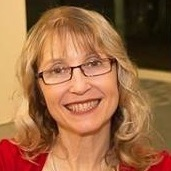
Dr Christine Krol is a social work academic/researcher from Western Sydney University who supports the learning journey of emerging social workers. Her passion is for achieving an inclusive and socially just society. Research areas piquing interest include the intersection between the equitable participation of higher education students with disability and diverse equity groups (under the United Nations Sustainable Development Goal Four, Quality education) and promoting and using a universal design for learning (UDL) pedagogy.
Addressing Hidden Curriculum in Higher Education Music: A UDL Approach to Accessible Music Industry Pathways
Monique Boggia examined how hidden curriculum and executive functioning demands can create barriers in music education and demonstrated how UDL-informed approaches can make expectations more visible and learning pathways more accessible.
Monique Boggia, Box Hill Institute
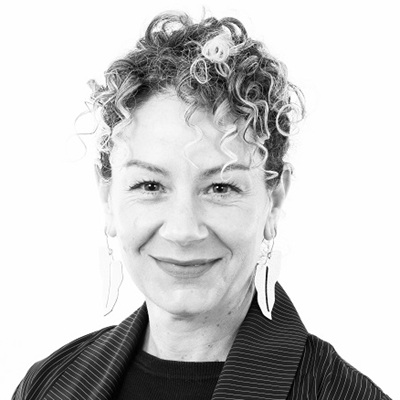
Monique Boggia is a Melbourne based musician, educator, and higher education leader with experience across primary, secondary, vocational, and higher education music settings. She has held teaching and leadership roles at Collarts, JMC, and Box Hill Institute, where she is currently Academic Course Manager for the Bachelor of Music Industry (Performance). Monique holds qualifications in music performance, education, global studies, and trauma-informed creative arts practice and indigenous perspectives. Her work is shaped by a strong commitment to accessible, inclusive music education and to supporting diverse learners to thrive in contemporary higher education and the evolving global music industry.
From Ideas to Impact: A Lived-Experience Journey from Student to UDL Researcher and Founder
Aaron Saint-James shared his personal and professional journey through Universal Design for Learning, highlighting the role of lived experience, co-design, research, and innovation in creating more inclusive higher education environments.
Aaron Saint-James, UNSW
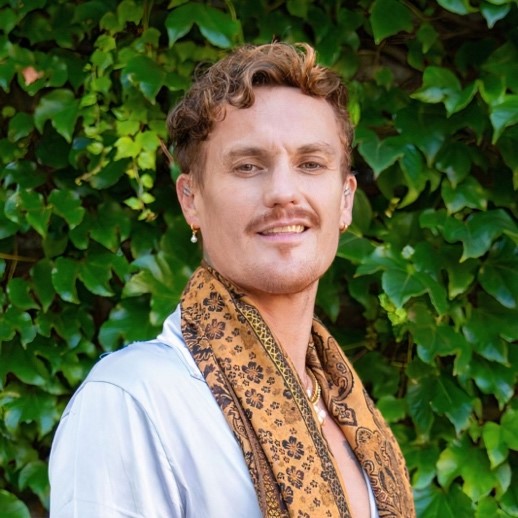
Aaron Saint-James (he/him) is a neurodivergent researcher, advocate, and founder undertaking a Master by Research in inclusive education at UNSW Sydney, mapping how Universal Design for Learning is delivered across Australian higher education. A neurodivergent, queer, first-generation, and chronically-ill graduate, Aaron co-founded the Diversified Project, is a Research Fellow with the Neurodiversity Foundation (Netherlands), and a 2026 NDRP Disability Research Leadership Fellow. He is the founder of Simplifii, a neuroinclusive learning platform built from lived experience. His work is recognised by the 2026 ADCET Accessibility in Action Award and the UN SDG Global Citizenship Award (APRU, 2025).
(September 2026)
ADCET is hosted by the University of Tasmania
Attachments
- Poster: Aaron-Saint-James - From Ideas to Impact (pdf < 1MB)
- Poster: Christine Krol - Increasing University Learners' Engagement and Retention (pdf 1MB)
- Poster: Monique Boggia - Addressing Hidden Curriculum in Higher Education Music (pdf 1MB)
- Presentation: Show Me Your Poster - Aaron-Saint-James - From Ideas to Impact (ppt 2.5MB)
- Presentation: Show Me Your Poster - Christine Krol - Increasing University Learners' Engagement and Retention (14MB)
- Presentation: Show Me Your Poster - Christine Krol - Increasing University Learners' Engagement and Retention (doc)
- Presentation: Show Me Your Poster - Monique Boggia - Addressing Hidden Curriculum in Higher Education Music (ppt 1MB)