ADCET UDL Symposium: Supporting the Whole Student - Using Trauma Responsive Practice and UDL in Higher Education Student Success
In-person workshop
Universal Design for Learning (UDL) and trauma-responsive practice offer complementary, evidence-based approaches that can strengthen the work of higher education student facing practitioners. UDL provides the design backbone for inclusive, flexible learning that reduces barriers and supports resilience, while trauma-responsive frameworks bring an explicit focus on safety and trust.
Many university students are simultaneously grappling with the impacts of complex trauma while also attempting to meet the academic and emotional demands of higher education (O’Shea & Martinussen, 2025). Current UDL guidelines (CAST, 2024, 9.1) refer to “recognizing expectations, beliefs and motivations” where learners “need to be supported to deal with frustration and anxiety when they are in the process of meeting their goals”. Using a trauma-responsive framework can be an effective way to meet this guideline by giving student-facing practitioners in higher education a robust strategy and practical examples to support student success. Using both UDL guidelines and trauma-responsive practices, student-facing practitioners can support higher education students’ academic success and well-being.
During this hands-on workshop, participants were invited to explore and apply our unique trauma-responsive framework designed to support higher education students. Participants examined specific case students by discussing how they would apply the framework to the students and their support/learning goals. The workshop’s goal was to equip participants with practical experience in combining UDL guidelines with trauma-responsiveness.
As both UDL and trauma-responsive methods have had success in increasing student success and retention (Capp, 2017; Miller et al., 2024), this innovative practice can be adapted by many practitioners who work with students beyond the classroom.
Presenters
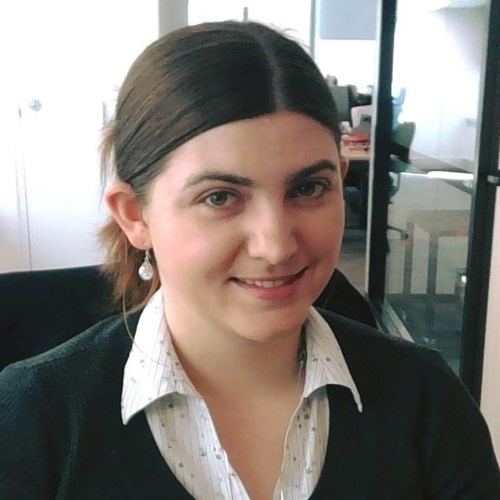
Sarah Irvine is an experienced senior learning advisor at the University of Southern Queensland. She is passionate about digital literacy, widening participation in higher education, and also shares a deep interest in working with diverse groups of students including those from diverse cultural, linguistic, and neurodivergent backgrounds. Sarah is an active member of the Association for Academic Language and Learning as the Communications Portfolio lead. She is dedicated to equitable online learning and embedding UDL practices in her learning advisor work within curriculum.

Kacie Faheyis a Kamilaroi woman currently working as a Senior Learning Advisor (First Nations) at the University of Southern Queensland. Kacie is passionate about amplifying the voices of marginalised cohorts and creating a more equitable higher education sector. As an academic languages and literacies professional, Kacie focuses on embedding a decolonial, trauma-informed approach. With experience in the child protection, family wellbeing, youth advocacy, gender-based violence, and domestic and family violence sectors, Kacie brings an intersectional focus to her work.
(June 2026)
Attachments
- Handout: Supporting the Whole Student - Case Study 1 Responses (doc 1.5MB)
- Handout: Supporting the Whole Student - Case Study 2 Responses (doc 2MB)
- Handout: Supporting the Whole Student - Case Study 3 Responses (doc 1.5MB)
- Handout: Supporting the Whole Student - Case Study 4 Responses (doc 1.5MB)
- Handout: Supporting the Whole Student - Using Trauma Responsive Practice and UDL in Higher Education Student Success - Latest Case Studies (doc)
- Handout: Supporting the Whole Student - Using Trauma Responsive Practice and UDL in Higher Education Student Success - TRP Framework A3
- Presentation: Supporting the Whole Student - Using Trauma Responsive Practice and UDL in Higher Education Student Success (ppt 9.5MB)