ADCET UDL Symposium: Improving Supervision for Neurodivergent Graduate Researchers – A UDL and Participatory-Research Approach to the HDR Context
In-person presentation
While undergraduate enrolments by neurodivergent students are increasing, prevalence rates for neurodivergent graduate researchers (GRs) are currently unknown, and many do not seek support. Supervisors are the single most important point of contact for GRs, and this relationship is vital for students’ success. Neurodivergent strengths in passion, innovative thinking and hyperfocus means many GRs may be neurodivergent, yet their needs remain largely unexamined.
The Improving Supervision for Neurodivergent Graduate Researchers project is developing a training package for higher-degree-by-research (HDR) supervisors in neurodiversity-affirming practices, funded by the Australian Centre for Student Equity and Success (Curtin University) and the Olga Tennison Autism Research Centre (La Trobe University). The four-stage project is co-designing, developing, delivering and evaluating a training package via a randomised-controlled-trial. The project is led by a neurodivergent GR, supported by neurodivergent research assistants and a team of neurodiverse researchers and educators.
This presentation focused on the co-design stage, which included a literature and resources review, a mixed-methods survey, and focus groups with neurodivergent GRs and supervisors at La Trobe University. This stage has highlighted the importance of centering neurodivergent researchers authentic identities and ways of learning and working. Both students and supervisors have shared experiences of bias, masking, and shame, but also times of deep engagement and joy when supervisors have approached relationships with curiosity and flexibility and clarified organisational processes and expectations by making the implicit explicit. The heterogeneity in supervision contexts, practices and neurodiversity knowledge across our university has emphasised the need for training to expand emotional capacity (UDL 3.0 Guideline 9) and executive-functioning strategies (Guideline 6) so supervisors can better support their students.
The presenter shared how they are applying UDL and participatory-research principles to the HDR context by co-designing and developing an institution-wide training package to improve supervision for neurodivergent students.
Presenter
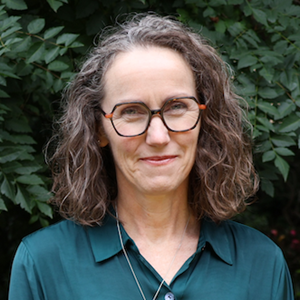
Lyndel Kennedy is a neurodivergent researcher who has recently completed her PhD in psychology at the Olga Tennison Autism Research Centre (OTARC), La Trobe University, examining factors contributing to success in higher education for neurodivergent students. She now leads a project to co‑design, develop, and evaluate a training package for graduate-research supervisors in neurodiversity‑affirming supervision practices, funded by the Australian Centre for Student Equity and Success and OTARC. Lyndel has facilitated support groups for students with disability and/or neurodivergence at La Trobe University since 2020, and for Autism Valued since 2008.
(June 2026)