ADCET UDL Symposium: Unlocking the Equity Potential of AI through Open Education
In-person presentation
Generative AI (GenAI) tools have changed the landscape of equity in higher education, functioning increasingly as assistive technology or equity tools for many students. Students can use their preferred GenAI tool to create alternative formats of learning materials, translate or explain texts, support task planning and initiation, and more. Without absolving institutions of their responsibilities, these applications may offer students greater agency, independence and flexibility to navigate barriers and meet access needs. Yet copyright restrictions on course resources can limit the equity affordances of GenAI, putting institutions, staff, and students at legal and ethical risk. We explore these tensions and consider how open resources offer an alternative pathway to equitable learning.
This presentation was the outcome of a cross-disciplinary collaboration between an inclusive education academic with an AI focus, a university copyright manager, and an open education academic. A storytelling approach was used to explore the experiences of a fictionalised undergraduate educator and four students navigating their unit. Throughout the session, a simple visual metaphor was used to argue: GenAI tools offer real equity affordances, but copyright restrictions present a barrier to accessing them, and prioritising open resources at the design stage can unlock these barriers and contribute to more inclusive and flexible learning environments.
The presentation was conceptual and design-focused. It addressed the symposium theme of ‘GenAI and Assistive Technology as enablers of inclusion’ by showing how GenAI can enhance inclusion when supported by intentional design. It supported UDL 3.0 in content and format, emphasising learner agency and the reduction of systemic barriers. Participants left with an increased understanding of how GenAI could support equity, how to recognise related copyright risk, and how to identify strategies for prioritising open resources.
Presenters
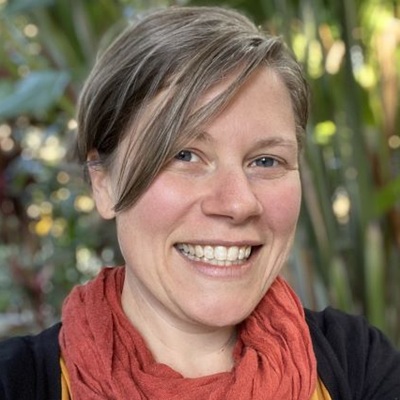
Sue Sharpe is the Lecturer of Artificial Intelligence and Inclusive Education at Deakin University, where she leads academic development initiatives with a strong equity focus. Her work addresses emerging challenges in higher education, including assessment reform and the integration and education of generative AI. Sue’s pragmatic approach is grounded in over 15 years’ experience in higher education across professional, academic, management and program director roles. Her leadership in curriculum renewal and academic capability-building has driven improvements in student retention and engagement.

Dr Lauren Halcomb-Smith is a library professional and third space academic with a PhD in Educational Studies and experience across teaching, research, learning design and leadership in higher education. As Lecturer, Open Education at Deakin, Lauren leads research and academic capability building in Open Educational Resources (OER) and OER enabled practices. Working across traditional boundaries as a library based academic, Lauren supports Open Education through practical initiatives and strategic impact. Her work is strongly values based, grounded in the belief that education is a public good and access to learning materials should never be a barrier to student success.
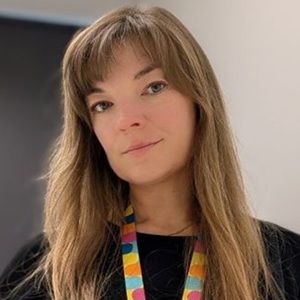
Astrid Bovell is the Copyright Manager at Deakin University, where she leads a small, engaged team dedicated to helping staff and students navigate copyright. Astrid has worked in copyright since 2003 and enjoys working in universities, where her role gives her regular opportunities to grapple with emerging technologies and unravel complex copyright challenges across a range of materials and uses. Astrid is passionate about demystifying copyright and supporting the university community to make informed, ethical decisions. She values practical guidance and is interested in how copyright intersects with issues of access and innovation in higher education.
(June 2026)