ADCET UDL Symposium: From One Slide Deck to Five Access Points - Designing With Gen AI for UDL
In-person presentation
Generative AI is often framed in tertiary education as either a productivity tool or an academic integrity concern. This session reframed Gen AI as a design partner that can operationalise Universal Design for Learning (UDL) 3.0 principles to proactively reduce predictable barriers in Higher Education contexts.
Using a practical workflow drawn from curriculum redesign practice, this presentation demonstrated how a single PowerPoint lecture can be intentionally transformed into multiple access points: recorded video with captions and transcripts, structured written summaries, mobile-friendly microlearning, and interactive learning objects. Each transformation is explicitly mapped to UDL 3.0 considerations, including supporting executive functioning, reducing cognitive load, clarifying learning goals, and sustaining engagement.
Rather than producing “more content,” the workflow focuses on designing multiple pathways to the same learning outcomes. Participants saw how Gen AI can assist educators in restructuring content, making implicit structure visible, chunking complex information, and embedding low-stakes retrieval opportunities. This approach supports learner variability without lowering academic standards and reduces reliance on reactive adjustments.
Attendees left with a replicable AI-assisted design framework that positions inclusion as intentional pedagogy rather than post-production accommodation.
Presenter
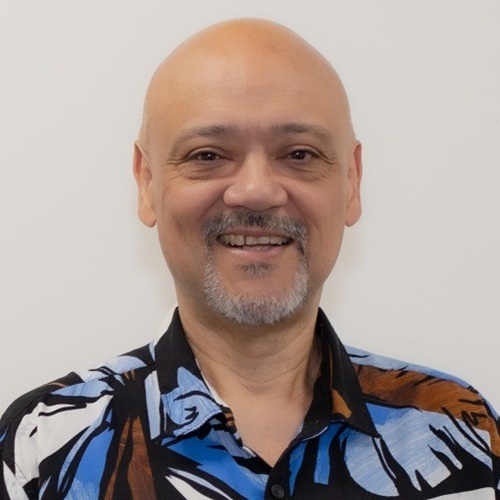
Garth Lategan is a Senior Inclusive Learning Designer at Swinburne University who leads the design and delivery of inclusive, innovative, and accessible learning experiences across Higher Education and Vocational Education. His role focuses on embedding Universal Design for Learning (UDL) principles and accessibility best practices into curriculum, assessment, and digital environments, ensuring that all learners, regardless of their background, ability, or circumstance, can participate fully and succeed.
(June 2026)