ADCET UDL Symposium: From Lecture to the Production Line - Building Learner Agency in Food Processing Technology
Online presentation
Students in Food Processing Technology can master fundamentals yet still struggle to apply theory in real food manufacturing, where decisions are shaped by equipment capability, food safety requirements, product quality targets, and shelf-life expectations. This Higher Education (HE) course redesign applies the UDL Guidelines 3.0 to build learner agency by making application visible, offering choice-driven pathways, and extending learning beyond the classroom into authentic industry contexts (themes: UDL beyond the classroom; Innovative UDL practices in teaching and learning).
Across a 12-week semester, each topic begins with brief micro-videos (animations/curated clips) to preview key concepts, followed by pre-recorded lectures in Canvas for flexible, self-paced learning and revision. Fortnightly tutorials use industry-inspired case studies to bridge theory-to-application. Students select a case pathway from a menu (dried products, beverages, sterilised foods) and work through guided questions showing how core concepts inform troubleshooting, process decisions, and quality outcomes.
Application is reinforced through practical sessions in a food pilot plant and laboratory. Students produce and evaluate products (e.g., spray-dried milk powder; canned fruits/vegetables; emulsions), analyse properties using analytical instruments, and compare lab-made outputs with commercial equivalents. UDL beyond the classroom is embedded through two industry guest speakers (Kraft Heinz; Asahi Beverages) and two site visits (Asahi Beverages; Edlyn Foods), connecting processing steps, quality checks/validation, common challenges, and career pathways to real workplaces. Tutorials, guest sessions, and equipment-in-operation videos are recorded and uploaded to support flexible participation and revisit opportunities.
Following implementation, the course Overall Satisfaction Indicator (OSI) increased from 2.5 to 4.3, supported by student feedback highlighting clear explanations, constructive assessment feedback, and the value of combining theory, practical learning, and industry involvement. This presentation provided participants with a replicable ‘theory-to-industry’ design map to strengthen learner agency in practical, industry-linked courses.
Presenter
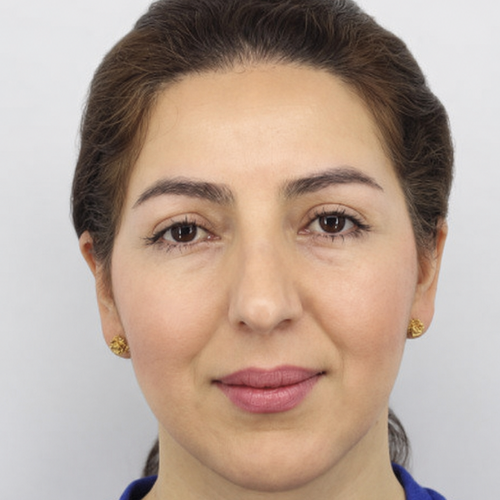
Dr Mina Dokouhaki is a Lecturer in Food Technology at RMIT University. Her teaching focuses on applied, industry-informed learning that connects scientific concepts with food manufacturing practice. She coordinates undergraduate and postgraduate food processing courses and designs authentic learning activities through pilot-scale practicals, industry site visits, guest speakers and career development learning. Her scholarship explores inclusive and industry-partnered learning design, including Universal Design for Learning-informed approaches that support learner agency, flexible participation and professional readiness. Her research focuses on sustainable food processing, functional ingredients and food materials.
(June 2026)