

ADCET UDL Symposium: Designing Accessible Laboratories - Applying UDL 3.0 in Wet Labs, Anatomy and High-Risk Teaching Spaces
In-person presentation
The Sydney Biomedical Accelerator (SBA) is a $780M partnership between the University of Sydney and Sydney Local Health District that will unite students, researchers, clinicians, and technical staff across biomedical laboratories, mortuary and anatomy teaching spaces, and dry research environments. Because these spaces support coursework, postgraduate research training, and work-integrated learning (WIL), accessibility is essential to ensuring equitable participation in STEM pathways.
This presentation shared findings from a comprehensive accessibility and universal design review of the SBA, with a focus on built environments traditionally exempt from accessibility requirements, including wet laboratories. Through a user centred co design process, my colleagues and I conducted interviews and workshops with researchers, technical staff, disability specialists, and students (both those with lived experience and student union representatives) to identify barriers and opportunities for universal access. Key themes included sensory load, mobility requirements, cognitive load, and challenges in safely and effectively engaging in laboratory learning.
Drawing explicitly on UDL 3.0 principles -- including multiple means of engagement (reducing sensory and physical threats), multiple means of representation (screens and diverse media to improve visibility in anatomy demonstrations), and multiple means of action and expression (electronic pipettes, height-adjustable lab benches, accessible emergency equipment) -- we translated these insights into design and operational recommendations for the project’s Infrastructure and Operations leads. These recommendations have been incorporated into subsequent design revisions and continue to inform operational planning, ensuring sustained real-world impact and strengthening opportunities for safe, independent laboratory work.
Session participants gained a transferable framework for applying UDL in complex, high risk STEM environments, demonstrating how universal design can enhance inclusive research training, WIL participation, and student progression beyond traditional classrooms.
Presenters
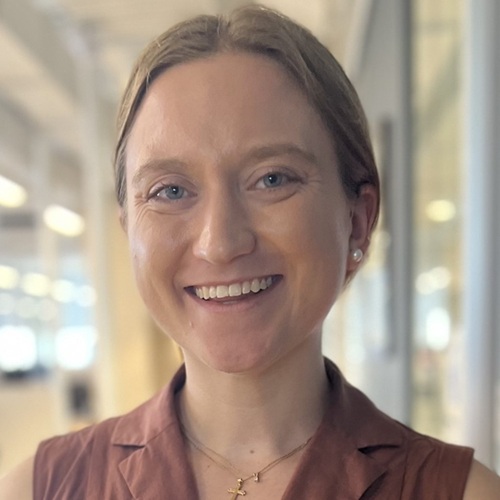
Catherine Parr is a Project Officer with the Sydney Biomedical Accelerator at the University of Sydney, a $780 million investment in future‑focused biomedical innovation, education, and research. She has experience working across health service and research environments to support students, researchers, and clinicians to do their best work. Catherine is particularly interested in supporting collaborative partnerships that bring together diverse expertise to address complex challenges. She is driven by a strong commitment to equity and improving access to high‑quality, patient‑centred health care.
(June 2026)