Home | Recordings | Presentation Information | Organising Committee
Thursday Sessions
See below for information on the presentations and workshops.
Thursday - Stream A | Thursday - Stream B | Thursday - Stream C | Thursday - Stream D
Thursday - Stream A
Levelling the Playing Field: Co-Designing Inclusive Sport and Wellbeing Through Student-Led UDL Practice
Simon O'Donoghue, Inclusion, Diversity, Equity and Accessibility Advisor; Minh Anh Bui, Student; Tran Van Bau, Student, RMIT Vietnam
Presentation: 30 minutes
Level: Beginner
10:20 - 10:50 am (Presenter/s: Online)
Room: 1017 Red
This student-led, co-delivered session explores how UDL can extend beyond the classroom into sport and wellbeing. Drawing on a co-designed accessibility audit of at RMIT Vietnam's sports and recreation facilities, students and staff share practical, transferable strategies for embedding learner agency, inclusion, and authentic participation across campus systems.
Simon O'Donoghue
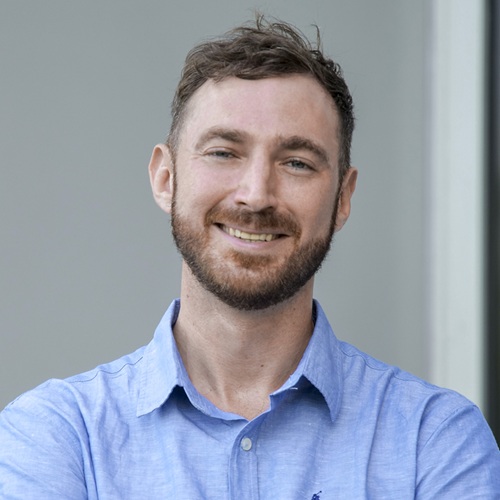
Simon O'Donoghue is the Inclusion, Diversity, Equity and Access (IDEA) Advisor at RMIT Vietnam, leading the development of inclusive, student-centred approaches across university systems. This session is delivered in partnership with student collaborators, whose lived experiences have shaped an inclusive roadmap to improve accessibility in sport. Simon's role is to create the conditions for this work - bridging institutional priorities with student voice. Drawing on experience across Vietnam and the UK, including public health and the non-profit sector, he is interested in how context shapes inclusion and how power can be more meaningfully shared in higher education.
Bui Minh Anh
Bui Minh Anh is a student at RMIT Vietnam majoring in Human Resource Management (HRM), with a strong interest in inclusive practice and accessibility in higher education. She has contributed to the RMIT Active project as a student collaborator, working with peers and staff to review sport and recreation programs through a Universal Design for Learning (UDL) lens. This work focused on identifying inclusive strategies to support diverse student needs and improve accessibility. Through this experience, Minh Anh has developed co-design and inclusive practice skills, and is motivated to contribute to more inclusive and accessible university environments.
Tran Van Bau

Tran Van Bau is a student at RMIT Vietnam with a strong interest in accessibility, inclusive education, and student engagement. He has been actively involved in student initiatives and extracurricular activities, including the RMIT Active project. Through this work, he contributed to a student-led audit of sport and recreation facilities to improve accessibility and inclusion which engaged with stakeholders, participated in on-site accessibility audits, and co-developed a final report. This experience has been meaningful in highlighting how students with disabilities can not only access support, but also contribute and create value. Van Bau is particularly interested in co-design approaches that raise awareness and enhance student wellbeing.
Abstract - Levelling the Playing Field
Between June and August 2025, RMIT Vietnam undertook a student-led accessibility and inclusion audit of its sport and recreation facilities (RMIT Active). Thirteen students registered with Equitable Learning and Accessibility (ELA), alongside student aides and a staff member with lived experience of disability, participated as co-designers throughout the project. Together, they produced and a published report that has provided a practical roadmap for improving access, participation, and experience, with several of their recommendations already being implemented.
This presentation tells that story. It explores how Universal Design for Learning (UDL) can be applied beyond the classroom and how student–staff co-design can meaningfully transform sport, wellbeing, and campus life in higher education. Students who led the process and who were responsible for writing, editing, and designing the final report, will share their experiences and reflect on how the project influenced their confidence, sense of belonging, and engagement at RMIT Vietnam. The session is co-delivered by staff and students who participated directly in the audit, ensuring lived experience remains central to both the content and the delivery.
Guided by UDL 3.0, the project embedded learner agency through multiple means of engagement (choice, safety, sensory regulation), representation (tactile, visual, auditory, and digital formats), and action and expression (co-authoring findings, ranking priorities, and creative design). Students shaped the audit tool, conducted site observations, prioritised recommendations, and led the production of the final report.
Impact was evident in both tangible and relational ways. Participation of ELA students in Sport Day increased, alongside broader engagement in campus life. Equally significant were the peer connections and friendships that formed through the audit itself. Students reported greater confidence and a stronger willingness to participate when accessibility was proactively designed rather than retrofitted.
The session aims to inspire through a student-led narrative while providing participants with a transferable co-design framework for applying UDL principles in non-academic contexts. Participants will engage through interactive polling, a guided co-design reflection activity, and a visual walkthrough of student-produced artefacts, with online and in-person attendees participating simultaneously.
This presentation positions students not as consultees, but as co-facilitators and knowledge-holders, demonstrating how UDL-informed co-design can drive meaningful institutional change.
Supporting the Whole Student: Using Trauma Responsive Practice and UDL in Higher Education Student Success
Sarah Irvine, Senior Learning Advisor; Kacie Fahey, Senior Learning Advisor, University of Southern Queensland
Workshop: 60 minutes
Level: Beginner
11:20 - 12:20 pm (Presenter/s: In-person)
Room: 1017 Red
UDL and trauma-responsive practice offer complementary, evidence-based approaches that can strengthen the work of higher education student facing practitioners. UDL provides the design backbone for inclusive, flexible learning, while trauma-responsive frameworks bring a focus on safety and trust. In this practical workshop, participants will be invited to explore and apply our unique trauma-responsive framework and UDL techniques to support student success in higher education. Please note: This workshop may include discussions of trauma that could be distressing or triggering for some participants.
Sarah Irvine
Sarah Irvine is an experienced senior learning advisor at the University of Southern Queensland. She is passionate about digital literacy, widening participation in higher education, and also shares a deep interest in working with diverse groups of students including those from diverse cultural, linguistic, and neurodivergent backgrounds. Sarah is an active member of the Association for Academic Language and Learning as the Communications Portfolio lead. She is dedicated to equitable online learning and embedding UDL practices in her learning advisor work within curriculum.
Kacie Fahey

Kacie Fahey is a Kamilaroi woman currently working as a Senior Learning Advisor (First Nations) at the University of Southern Queensland. Kacie is passionate about amplifying the voices of marginalised cohorts and creating a more equitable higher education sector. As an academic languages and literacies professional, Kacie focuses on embedding a decolonial, trauma-informed approach. With experience in the child protection, family wellbeing, youth advocacy, gender-based violence, and domestic and family violence sectors, Kacie brings an intersectional focus to her work.
Abstract - Supporting the Whole Student
Universal Design for Learning (UDL) and trauma-responsive practice offer complementary, evidence-based approaches that can strengthen the work of higher education student facing practitioners. UDL provides the design backbone for inclusive, flexible learning that reduces barriers and supports resilience, while trauma-responsive frameworks bring an explicit focus on safety and trust.
Many university students are simultaneously grappling with the impacts of complex trauma while also attempting to meet the academic and emotional demands of higher education (O’Shea & Martinussen, 2025). Current UDL guidelines (CAST, 2024, 9.1) refer to “recognizing expectations, beliefs and motivations” where learners “need to be supported to deal with frustration and anxiety when they are in the process of meeting their goals”. Using a trauma-responsive framework can be an effective way to meet this guideline by giving student-facing practitioners in higher education a robust strategy and practical examples to support student success. Using both UDL guidelines and trauma-responsive practices, student-facing practitioners can support higher education students’ academic success and well-being.
During this hands-on workshop, participants will be invited to explore and apply our unique trauma-responsive framework designed to support higher education students. Participants will examine specific case students by discussing how they would apply the framework to the students and their support/learning goals. The workshop’s goal is to equip participants with practical experience in combining UDL guidelines with trauma-responsiveness.
As both UDL and trauma-responsive methods have had success in increasing student success and retention (Capp, 2017; Miller et al., 2024), this innovative practice can be adapted by many practitioners who work with students beyond the classroom.
References:
Capp, M. J. (2017). The effectiveness of universal design for learning: a meta-analysis of literature between 2013 and 2016. International Journal of Inclusive Education, 21(8), 791–807
CAST. (2024). Recognize expectations, beliefs, and motivations (UDL Guidelines 3.0 – Checkpoint 9.1).
Miller, A., Yohn, H., & Trochmann, M. B. (2024). Meeting the moment: Trauma-responsive teaching for student success. Journal of Public Affairs Education, 30(1), 28–51.
O’Shae, S., & Martinussen, M. (2025). Trauma awareness: A new priority for higher education. EduResearch Matters.
Supporting Students Navigate the Transition to University and Become Self-Regulated Learners
Kria Coleman, Educational Designer, University of Sydney
Presentation: 30 minutes
Level: Beginner
12:30 - 1:00 pm (Presenter/s: Online)
Room: 1017 Red
This case study examines how a first-year Occupational Therapy unit redesigned four assessments to explicitly develop self-regulated learners. Guided by metacognitive scaffolding, Universal Design for Learning, and AI integration, the redesign addresses key transition barriers, transforming assessment from performance hurdles into a structured developmental journey toward student agency.
Kria Coleman
Kria Coleman is an Educational Designer in the Division of Teaching and Learning at the University of Sydney, where she works at the intersection of educational design, academic partnership, and generative AI. Her practice and research focus on self-regulated learning, socially shared regulation, and Universal Design for Learning — with a particular interest in how first-year students navigate the transition to university. Kria develops innovative responses to teaching and learning challenges, including AI-supported learning tools, inclusive teaching and assessment frameworks, and evidence-based partnerships with academics across disciplines. She is currently completing postgraduate research into Self-Regulated Learning in the first-year experience of university.
Abstract - Supporting Students Navigate the Transition to University
First-year students entering university face more than disciplinary content — they face the challenge of learning how to learn in an entirely new academic and professional context. This presentation shares a practical case study from a first-year Occupational Therapy unit at the University of Sydney, where assessment was redesigned from the ground up to proactively remove learning barriers and build self-regulated learners from day one.
Aligned with UDL 3.0 principles, particularly fostering learner agency, reducing barriers to engagement, and supporting expert learning; the redesign embeds metacognitive scaffolding across four sequential assessments. Students are supported to set goals, monitor their understanding, seek feedback, and reflect on their strategies, normalising learning as an active and iterative process rather than a series of high-stakes performance moments.
The redesign also responds directly to equity imperatives: oral assessments are scaffolded through preparation guides and AI-based practice agents; open assessments invite AI as a learning tool rather than a threat; and multiple means of representation and action ensure diverse learners are supported without lowering standards. Early data from student surveys and metacognitive responses suggest improved confidence and a stronger sense of agency during the critical transition period.
By the end of this session, participants will be able to identify at least two assessment design strategies that embed UDL 3.0 principles to support student transition and self-regulation in their own HE or VET context.
Both online and in-person participants will engage through a shared collaborative reflection activity using a digital whiteboard, followed by facilitated Q&A to co-design adaptations relevant to their own teaching contexts.
Making the Visual Accessible: Fashion, Art and Beyond
Dr Julie Gork, Lecturer; Dr Belinda Johnson, Senior Lecturer, Social Work and Human Services, and Senior Researcher, Social Equity Research Centre, RMIT University
Presentation: 30 minutes
Level: Beginner
2:40 - 3:10 pm (Presenter/s: Online)
Room: 1017 Red
A project at RMIT Fashion and Textiles is developing written and audio description skills to support students with low vision or blindness. Through co-designed workshops with access partners, educators are building multisensory practices aligned with UDL. Impact is evaluated through surveys, student feedback, and long-term enrolment data.
Dr Julie Gork
Dr Julie Gork is Lecturer in the School of Fashion and Textiles at RMIT University. Julie researches fashion and the body, focusing on sensory fashion, disability, and fashion for social justice. Recent work explores how the lived experience of disability develops alternative fashion expertise.
Dr Belinda Johnson
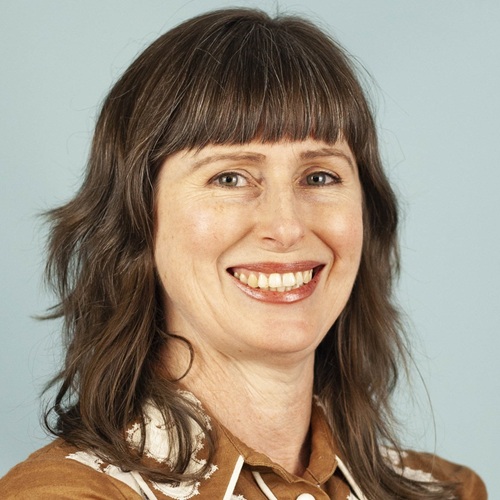
Dr Belinda Johnson is a Senior Lecturer in Social Work and Human Services and a Senior Researcher in the Social Equity Research Centre at RMIT University. Belinda’s innovative approach to learning and teaching incorporates creative pedagogies into social sciences to create student belonging and inclusive, peer learning cultures. Her work was recently published in the book "Tutorial Ideas for Educators on the Run" (Jarldorn & Hudson 2025). Her expertise in these areas has been recognised in the 2020 RMIT Vice Chancellor’s Excellence in Higher Education Teaching Award and the 2024 College of Design and Social Context Extreme Pedagogy Award.
Abstract - Making the Visual Accessible
Students with low vision or blindness remain underrepresented in both inclusive university pedagogy discourse and fashion education, a discipline structured around visual dominance. This presentation emphasises the importance of written and audio description as core pedagogical practices aligned with Universal Design for Learning (UDL).
We share a project in the School of Fashion and Textiles at RMIT University that builds educators’ descriptive competencies through two co-designed workshops developed in partnership with Vitae Veritas, an arts access organisation, and co-facilitated by a description expert and a lived experience expert. Workshops focused on image description for learning materials, audio description for live demonstrations, and development of multisensory disciplinary vocabulary.
Grounded in UDL guidelines to support multiple ways to perceive information (1.2) and clarify vocabulary (2.1), the project considers description as a means of expanding perceptual access for all learners, including those who process information across multiple sensory channels. Early reflections indicate that educators report increased confidence in articulating tacit visual knowledge and greater awareness of how visual bias structures their teaching.
Impact is evaluated across immediate, medium, and long-term timeframes, including staff practice integration, student experience measures, and enrolment and retention data for students who disclose low vision or blindness.
This presentation shares emerging insights, workshop methodology, and progress toward a best-practice guide for visual description across creative disciplines. As a collaboration between a fashion and social sciences academic, potential lies for interdisciplinary transfer of the project learnings. By positioning description as foundational, the project demonstrates how accessibility practices can transform disciplinary pedagogy and enrich learning environments for everyone.
CANCELLED PRESENTATION: Can Multi-Modal Learning Materials Generated Using NotebookLM Enhance Student Engagement and Inclusion in Higher Education?
Amber Rose Lim, Teaching Academic and Creativity Researcher; Dr Taylor Gogan, Teaching Academic and Psychology Researcher, Swinburne University of Technology - Melbourne
Presentation: 30 minutes
Thursday - Stream B
Exploring the Third Space: Facilitating Learner Engagement in Higher Education across Academic/Professional Binaries
Dr Lucy Petchell, Student Success Coordinator/Learning Success Advisor; Amelia Yarwood, Senior Learning Success Advisor, University of Sydney
Presentation: 30 minutes
Level: Beginner
10:20 - 10:50 am (Presenter/s: Online)
Room: 1010 Blue
This paper explores the role of student-facing professional staff in facilitating learner engagement through two case studies of ongoing academic consultations and degree support. Thus, we suggest that extending UDL beyond the classroom requires a collaborative approach to UDL engagement guidelines, transcending professional and academic categories.
Abstract - Exploring the Third Space
Learning and student support advisors occupy a unique position within higher education. Situated between academic and professional realms, advisors often work one-on-one with students providing support with learning and/or navigating university administrative systems (Fenton-smith & Gurney, 2022). This presentation argues that advising plays a key role in facilitating Universal Design for Learning ‘beyond the classroom’ and across higher education institutions by breaking down barriers to accessible learning. To do so, we clarify the role of an advisor, focussing particularly on the contribution of the advising space to the UDL guideline of ‘engagement’.
We draw on two case studies of ongoing academic consultations and degree support to explore strategies that advisors can use to help students define their learning goals and promote learner agency. These case studies use practitioner reflections and qualitative student survey data to highlight the positive impact of these support services on student learning. Furthermore, we argue that these examples support claims regarding the necessity of an institution-wide approach to UDL in order to support students’ executive functioning and help them sustain effort and persistence in their studies (Norman & Newham, 2018).
Our presentation also foregrounds engagement by offering opportunities for personal responses and reflection and incorporating storytelling. In doing so, we hope to extend discussion of UDL into student support spaces and promote a collaborative approach to learning that bridges the gap between professional and academic spaces.
References:
Fenton-Smith, B., & Gurney, L. (2022). Collaborator, applied linguist, academic, expense? Exploring the professional identities of academic language and learning professionals. Higher Education Pedagogies, 7(1), 160–178Norman, L., & Newham, E. (2018). The role of learning advisors and support staff within an increasingly differentiated student community. Journal of Academic Language & Learning, 12(1), 128-140
Measuring Impact: A UDL Aligned Inclusive Assessment Self Evaluation Tool for Evidence Informed Best Practice
Talia Lewis, Senior Coordinator - Inclusive Teaching and Learning, RMIT
Presentation: 30 minutes
Level: Beginner
12:30 - 1:00 pm (Presenter/s: In-person)
Room: 1010 Blue
Explore RMIT College of Business and Law’s (CoBL) browser-based self-evaluation tool helping RMIT CoBL educators to review and redesign assessment through an inclusive lens. This session showcases its use in co-design with learning designers to scope proactively inclusive assessment design, and explores how to measure the impact of professional staff on uplifting inclusive assessment design.
Talia Lewis
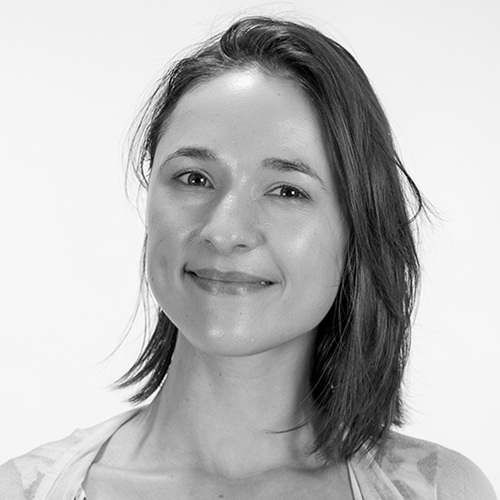
As Senior Coordinator of Inclusive Learning and Teaching, Talia Lewis is leading the adoption of the Universal Design for Learning framework at RMIT. With a background in educational design and extensive experience building academic capability development, she partners with educators and professional staff to reduce systemic barriers to participation. She is currently undertaking a Master of Education (Leadership and Development), critically examining how neuro-inclusive design can operate as a mechanism for systemic change, challenging deficit narratives and addressing inequities in learner experience, and supporting more equitable transitions to the workplace.
Abstract - Measuring Impact
Designing inclusive assessment at scale can feel overwhelming for time-poor educators. This presentation will showcase a browser-based inclusive assessment self‑evaluation tool developed for RMIT’s College of Business and Law (CoBL) to support Higher Education educators to review and redesign assessment through a UDL 3.0 lens, helping to share the responsibility of inclusive practice by embedding this into co-design workflow with learning designers and promoting community through resource sharing.
The tool guides educators step-by-step through their assessment plan, prompting reflection on their design through an inclusive lens, alongside alignment to course learning outcomes and institutional policy. Automated feedback helps to identify strengths and quick wins (e.g. alternative formats, flexible submission modes, scaffolded executive function supports), and links educators to relevant RMIT resources and supports. The tool is intentionally designed as a flexible co‑design support: Learning Designers can invite educators to complete it prior to consultation, work through it together in real time, or embed it into CoBL’s signature Holistic Learning Design program design and review process as a peer‑review activity.
This session will report on current, early educator use cases, and our emerging framework for measuring impact on assessment design at a program level and the student experience. It will outline data collection and visualisation approaches to evidence how learning design partnerships are uplifting inclusive assessment design at scale.
Participants both online and in‑person will have the opportunity to interact with the tool, applying it to a case study, and discussing how a similar self‑evaluation could be adapted for their own HE or VET contexts. The goal is for attendees to leave with an adaptable model for embedding UDL‑aligned approaches to inclusive assessment, and a starting point for measuring impact.
A Universal Design for Learning Initiative for First Year Humanities Students
Professor Rebecca Walker, Deputy Pro Vice-Chancellor Faculty of Humanities; Humira Mirza, Director Student Engagement Faculty of Humanities, Curtin University
Presentation: 30 minutes
Level: Intermediate
2:40 - 3:10 pm (Presenter/s: In-person)
Room: 1010 Blue
Data analysis at an Australian university revealed accessibility gaps for students with disabilities and low-SES backgrounds, including high fail and withdrawal rates. In response, Universal Design for Learning (UDL) 3.0 principles are being embedded across nine first-year Humanities units, supported by staff professional learning and a quasi-experimental study measuring impact on student outcomes.
Acknowledgement of additional Curtin University, Faculty of Humanities project contributors: Professor Nicole Slatter, Professor Judith Dinham, Matt Reed, Associate Professor Madeleine Dobson, Jesse Parmar, Simon Daniele, Stephanie Lee, Marcelo Jopia Vilches.
Professor Rebecca Walker
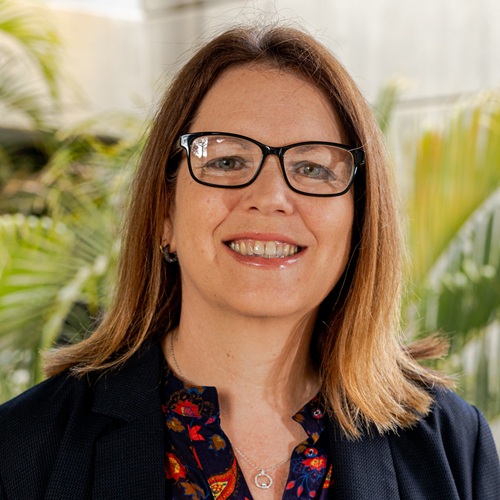
Rebecca Walker is Professor and Deputy Pro Vice-Chancellor, Humanities, Curtin University, where she's held senior School of Education leadership roles including Deputy Head of School and Director, Student Experience and Industry Engagement. With teaching experience across Australia and internationally, her scholarly expertise encompasses initial teacher education accreditation, equity-focused pedagogies, and educational policy. She is keenly involved in activities and research that promotes accessible and needs based approaches to education.
Humira Mirza

Humira Mirza is the Director of Student Engagement in the Faculty of Humanities at Curtin University, spanning three schools and the largest OUA cohort at the university. With a background in the international higher education sector and experience as a primary school teacher, she brings a deep commitment to educational equity and inclusive practice. Humira is known for building high-trust relationships, navigating complex regulatory environments, and translating strategic priorities into people-centred outcomes for staff and students.
Abstract - A UDL Initiative for First Year Humanities Students
Data analysis of first-year Humanities students at a large Australian university revealed concerning accessibility gaps, including disproportionately high fail and withdrawal rates among students with a disability and/or those from low socio-economic (SES) backgrounds. Additionally, the data revealed low rates of disability disclosure through university systems and significant overlap between students who applied for assessment extensions and students registered with a disability and/or from a low SES background. Addressing these gaps is an equity imperative and consistent with Australia's Convention on the Rights of Persons with Disabilities (UN, 2007) obligations.
In response, this project takes a systematic, large scale, institutional approach to embedding Universal Design for Learning (UDL) 3.0 principles into nine first-year Humanities units (in-person and online). The project includes the development of a professional learning (PL) framework and program for teaching staff to build capacity in multimodal content delivery, accessible assessment design and innovative and adaptive technology integration; and incorporates a student and expert advisory group. Teaching staff utilise these resources to redesign units, integrating UDL 3.0’s learner-centred principles with transition pedagogies to reduce cognitive load and create flexible, accessible learning pathways.
Using a quasi-experimental pre-post design, with an anticipated sample exceeding 5,000 students, the study evaluates the project’s impact on pass rates, withdrawal rates, assessment extension requests, disability disclosure in university systems, and learning management system (LMS) accessibility scores. Interviews with students and staff complement quantitative findings, centring student voice in co-developing future improvements.
This presentation shares the PL framework, practical strategies and early findings from qualitative interviews, inviting dialogue on how institutional-level UDL implementation can drive equitable outcomes for students with disabilities and those from low SES backgrounds in higher education.
Art-Based Learning: A Creative Approach to Teaching Theory
Annika Patmore, Lecturer, James Cook University
Presentation: 30 minutes
Level: Beginner
3:30 - 4:00 pm (Presenter/s: In-person)
Room: 1010 Blue
The OT Models ‘Art Series’ was developed to transform the traditionally text-based teaching of theoretical models into a creative and inclusive learning experience. It introduces art-based, hands‑on activities to help students grasp complex concepts with greater ease. In line with UDL 3.0, the art series recognises that learners’ diverse identities and preferences are central to creating an inclusive educational environment.
Annika Patmore
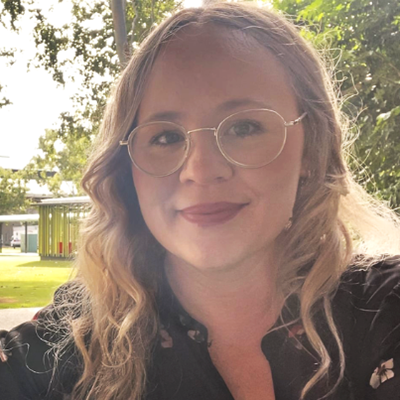
Annika Patmore (she/her) is an occupational therapist and lecturer at James Cook University. She spent over a decade in clinical practice before transitioning to academia in 2022. Her professional interest areas include sexuality and intimacy, healthy ageing and culturally responsive practice. Annika primarily teaches first year occupational therapy students and is committed to supporting students as they navigate the transition to university life, recognising that each student arrives with a different background, different needs and access to support.
Abstract - Art-Based Learning
Theoretical models have traditionally been taught in the first, foundational year of the James Cook University Occupational Therapy course. It has been observed that learning these heavy theoretical concepts often felt overwhelming to students - some students struggled to sustain attention, others to process large volumes of text and many found it difficult to visualise how elements of each model fit together. Recognising that this knowledge is essential for becoming an Occupational Therapist, it was important to explore more engaging ways to teach this topic, so all students could fully participate, not just those suited to traditional academic approaches.
This period of exploration ultimately let to the development of the OT Models ‘Art Series’. Learner-centred and focusing on engagement, creativity and expression, the art series takes place over several weeks of teaching. For each theoretical model, students are presented with a different art medium - clay, paint, collage and edible art. The outcome has been a colourful and stimulating classroom with high levels of engagement. Here, creativity and play contribute to deeper learning.
Direct student feedback indicates that having kinaesthetic, creative opportunities in class helped them to grasp ideas they had previously found frustrating or abstract. Alignment has also been identified with First Nations pedagogical framework for culturally responsive education, ‘8 Ways of Knowing’, which identifies visual and hands on approaches as key pathways to knowledge.
In line with UDL 3.0, the art series recognises that learners’ diverse identities and preferences are central to creating an inclusive educational environment. This presentation will provide an overview of the ‘Art Series’, including preparation processes, a showcase of the art and a reflection on lessons learned along the way.
Thursday - Stream C
Designing for Confidence: A UDL–Aligned Digital Practice OSCE for Speech Pathology to Support Learner Agency and Assessment Readiness
Dr Frances Cochrane, Senior Lecturer and Course Coordinator, Speech Pathology, James Cook University
Presentation: 40 minutes
Level: Beginner
9:30 - 10:10 am (Presenter/s: Online)
Room: 2035 Orange
This presentation outlines the design and evaluation of a UDL–aligned digital practice OSCE for undergraduate speech pathology students. Using ADDIE, the LMS-based tool reduced anxiety and enhanced confidence, agency, and assessment literacy through authentic scenarios, multimodal supports, flexible practice, and feedback.
Dr Frances Cochrane
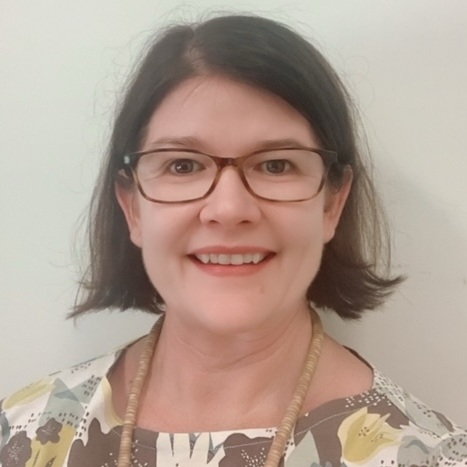
Dr Frances Cochrane is the Course Coordinator for the Bachelor of Speech Pathology (Honours) program at James Cook University (JCU). Her PhD explored services for Aboriginal and Torres Strait Islander adults with acquired neurogenic communication disorders. She also served as Educational Designer (Lead) at JCU (2020–2022). Fran has received multiple awards, including two College of Healthcare Sciences Teaching Awards and several inclusion and innovation awards, and was a 2025 Student Voice Australasia award finalist. In 2024, she and colleagues won the International Journal of Speech-Language Pathology Editors Award for best publication.
Abstract - Designing for Confidence
Objective Structured Clinical Examinations (OSCEs) are widely used in health education to assess clinical competence; however, for novice students they can provoke high levels of stress, uncertainty, and reduced learner agency. This presentation reports on the design, implementation, and evaluation of a digital practice OSCE developed for undergraduate speech pathology students in a university context, aligned with Universal Design for Learning (UDL) Guidelines 3.0.
Using the ADDIE instructional design framework, the LMS-integrated tool was intentionally designed to operationalise UDL principles. Engagement supported through authentic clinical scenarios, real client audio samples, gamified elements, and self-paced practice that reduced threat and supported emotional regulation. Representation was addressed through multimodal content (audio, text, exemplars), clear structure, and predictable navigation to reduce cognitive load and support executive functioning. Action and Expression were embedded via untimed and timed practice options, self- and peer-evaluation, automated feedback, and exemplars that enabled students to demonstrate learning in flexible ways.
Qualitative evaluation data from seven undergraduate speech pathology students indicated positive impacts on the student experience, with students reporting increased enjoyment, confidence, assessment literacy, and reduced anxiety. Participants valued the authentic replication of summative OSCE conditions, structured practice opportunities, and reassurance gained through feedback and exemplars. These findings position digital practice OSCEs as an innovative, scalable, and institution-wide UDL approach that extends inclusive design beyond the classroom and into assessment.
The goal of this session is to equip participants with practical strategies for designing UDL 3.0–aligned digital assessment support resources that enhance accessibility, learner agency, and wellbeing. Engagement of both in-person and online participants will be supported through interactive reflection tasks, and shared digital artefacts, including showcasing the digital OSCE practice tool we developed, ensuring equitable participation across modalities.
Beyond Accessibility: Neurodivergent Students’ Experiences of Universal Design for Learning in Higher Education
Ari Star, Research Assistant, Macquarie University
Presentation: 30 minutes
Level: Beginner
10:20 - 10:50 am (Presenter/s: In-person)
Room: 2035 Orange
This presentation examines the impact of Universal Design for Learning (UDL) on neurodivergent students’ university experiences, highlighting key barriers and variability in UDL implementation. Findings suggest UDL can foster inclusion and improve outcomes but requires consistent application and institutional support to fully address diverse student needs.
Ari Star
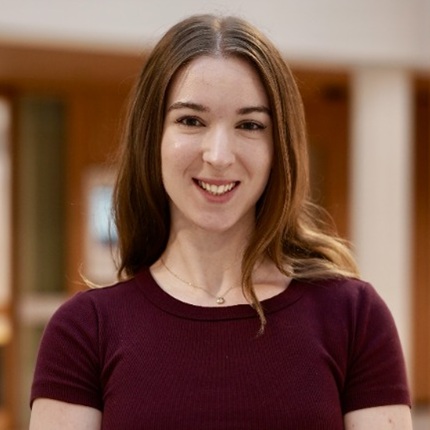
Ari Star is a passionate researcher and advocate and has recently completed a Master of Research at Macquarie University, where her thesis explored the influence of Universal Design for Learning (UDL) on the experiences of neurodivergent students in higher education. Ari is enthusiastic about bringing lived experience of disability to her work and enjoys participating in co-designed projects with other neurodivergent researchers. Through her research and advocacy work she aims to improve educational spaces to better anticipate and respond to the needs of neurodivergent people by listening to their preferences rather than assuming their requirements.
Abstract - Beyond Accessibility
There is a growing recognition of the challenges faced by neurodivergent students in higher education sectors. Consequently, there are increasing calls to embed Universal Design for Learning (UDL) principles into universities to create more inclusive learning environments. This presentation is based on my Master of Research thesis, which aimed to investigate the impact of UDL on the experiences of neurodivergent university students.
A systematic review identified significant barriers for neurodivergent students, including unsupportive sensory environments, executive functioning challenges, and inflexible institutional policies, which contributed to frustration, burnout, and reduced motivation. Building on these findings, the empirical component examined neurodivergent students’ experiences of UDL alongside lecturers’ reports of its application, providing insight into how UDL is understood and enacted within higher education.
The study surveyed 25 university lecturers and 51 neurodivergent students, followed by in-depth interviews with 15 neurodivergent students. Survey findings indicated that while most lecturers reported implementing UDL principles to some extent, many strategies reflected basic accessibility measures rather than deliberate alignment with UDL guidelines. Although lecturers frequently described using multiple means of engagement, representation, and action and expression, responses often revealed limited conceptual understanding of these principles.
Overall, this indicates that while UDL has the potential to positively shape neurodivergent students’ university experiences, its impact depends on how it is enacted. Variability in interpretations, alongside the absence of clear institutional guidance, resulted in uneven implementation, making its effects difficult to distinguish. Where UDL practices were implemented, particularly those offering flexibility and choice, students reported enhanced motivation, improved understanding of content, and had more positive relationships with lecturers. This demonstrates that to fully understand the impact of UDL on the university experience of neurodivergent students, it is essential that universities support lecturers to refine and apply its principles through a compassionate approach that anticipates and responds to student diversity.
The 'Choose Your Own Assessment': Applying UDL to Assessment Choice in First-Year Biology
Dr Michael Widjaja, Lecturer in Biology (Education-Focused); Osu Lilje, Senior Lecturer in Biology (Education-Focused); The University of Sydney
Workshop: 60 minutes
Level: Beginner
11:20 - 12:20 pm (Presenter/s: In-person)
Room: 2035 Orange
Don’t just hear about assessment choice, experience it! This presentation invites participants to choose how assessment is presented while examining a UDL informed “Choose Your Own Assessment” model implemented at scale in first-year biology to enhance engagement, accessibility, and agency.
Dr Michael Widjaja
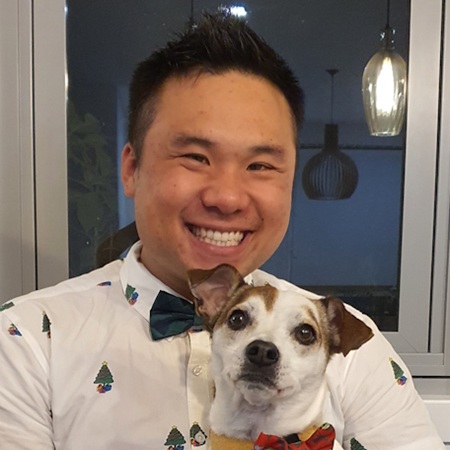
Dr Mike Widjaja is an Education Focused academic in the School of Life and Environmental Sciences at the University of Sydney. He teaches in large first-year biology units, with a focus on inclusive, student-centred assessment design. His work explores how structured choice, Universal Design for Learning (UDL), and authentic assessment can enhance student engagement, belonging, and agency at scale. Mike has led the development of innovative approaches such as “Choose Your Own Assessments” and integrates educational technology to support student learning.
Osu Lilje
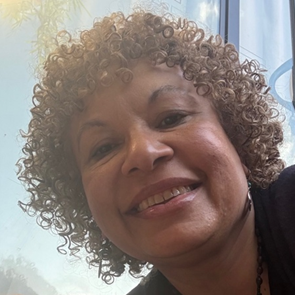
Osu Lilje is an Education Focused academic in the School of Life and Environmental Sciences at the University of Sydney. She coordinates large first-year biology units serving 1,500+ students annually, focusing on AI-enhanced feedback, academic integrity, and equitable learning support. Her work explores how custom-built AI tools and rubric-aligned feedback can support scientific writing development and reduce barriers to help-seeking for international students. Osu co-founded the Science Educators Community of Practice (SECoP) and has led development of the Scientific Writing Assessment bot. She was recently awarded the Senior Fellowship of the Higher Education Academy.
Abstract - The 'Choose Your Own Assessment'
Learners vary widely in how they engage with content and demonstrate understanding. Traditional written assessments, particularly in large first-year science cohorts, can inadvertently privilege particular communication strengths while constraining others. In response, we designed a major science communication task in a first-year biology unit (~300 students) using a “Choose Your Own Assessment” (CYOA) model grounded in Universal Design for Learning (UDL 3.0).
In the CYOA, students work in small groups where they get to choose several different aspects of the assessment. This includes group members, the disease (and its biology), medical therapeutics; and most excitingly, the format of the communication piece (poster, pamphlet, podcast, recorded presentation, or video). All formats are aligned to shared learning outcomes and a common rubric emphasising disciplinary accuracy, clarity, engagement, and audience awareness. Scaffolded checkpoints and marker calibration processes are incorporated to support executive functioning and ensure equity across media.
The design was informed particularly by UDL 3.0 principles of Multiple Means of Engagement and Multiple Means of Action and Expression, with structured choice intended to reduce unnecessary barriers while maintaining academic rigour. Thus far, evaluation through student questionnaires, interviews, and unit feedback indicates broad uptake across formats, comparable academic performance between media types, and qualitative reports of increased agency, creativity, and ownership of learning.
While implementation required additional coordination and benchmarking, the CYOA model demonstrates that structured assessment choice can be applied at scale in large cohort units across different faculties. This case highlights how UDL-informed design can move beyond accommodation toward proactive, inclusive assessment architecture that supports learner variability without compromising standards.
Designing Accessible Laboratories: Applying UDL 3.0 in Wet Labs, Anatomy and High-Risk Teaching Spaces
Catherine Parr, Project Officer, Sydney Biomedical Accelerator, The University of Sydney
Presentation: 30 minutes
Level: Intermediate
12:30 - 1:00 pm (Presenter/s: In-person)
Room: 2035 Orange
Discover how UDL 3.0 can be applied beyond traditional classrooms through an ambitious, student informed accessibility review of wet labs and anatomy teaching spaces. This session shares co-designed recommendations and a transferable framework for fostering inclusion in high risk STEM environments.
Catherine Parr
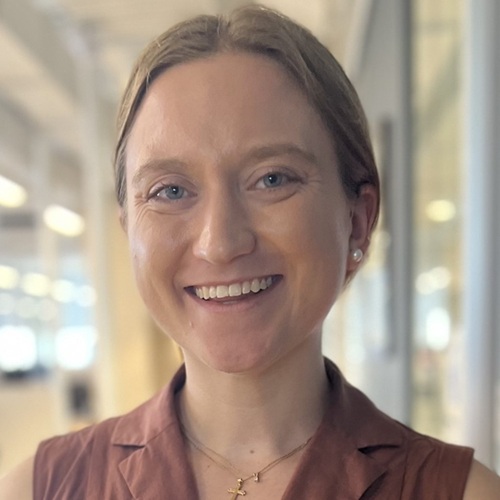
Catherine Parr is a Project Officer with the Sydney Biomedical Accelerator at the University of Sydney, a $780 million investment in future‑focused biomedical innovation, education, and research. She has experience working across health service and research environments to support students, researchers, and clinicians to do their best work. Catherine is particularly interested in supporting collaborative partnerships that bring together diverse expertise to address complex challenges. She is driven by a strong commitment to equity and improving access to high‑quality, patient‑centred health care.
Abstract - Designing Accessible Laboratories
The Sydney Biomedical Accelerator (SBA) is a $780M partnership between the University of Sydney and Sydney Local Health District that will unite students, researchers, clinicians, and technical staff across biomedical laboratories, mortuary and anatomy teaching spaces, and dry research environments. Because these spaces support coursework, postgraduate research training, and work-integrated learning (WIL), accessibility is essential to ensuring equitable participation in STEM pathways.
This presentation shares findings from a comprehensive accessibility and universal design review of the SBA, with a focus on built environments traditionally exempt from accessibility requirements, including wet laboratories. Through a user centred co design process, my colleagues and I conducted interviews and workshops with researchers, technical staff, disability specialists, and students (both those with lived experience and student union representatives) to identify barriers and opportunities for universal access. Key themes included sensory load, mobility requirements, cognitive load, and challenges in safely and effectively engaging in laboratory learning.
Drawing explicitly on UDL 3.0 principles -- including multiple means of engagement (reducing sensory and physical threats), multiple means of representation (screens and diverse media to improve visibility in anatomy demonstrations), and multiple means of action and expression (electronic pipettes, height-adjustable lab benches, accessible emergency equipment) -- we translated these insights into design and operational recommendations for the project’s Infrastructure and Operations leads. These recommendations have been incorporated into subsequent design revisions and continue to inform operational planning, ensuring sustained real-world impact and strengthening opportunities for safe, independent laboratory work.
Session participants will gain a transferable framework for applying UDL in complex, high risk STEM environments, demonstrating how universal design can enhance inclusive research training, WIL participation, and student progression beyond traditional classrooms.
Cognitive Load Theory as a Design Lens for Innovative UDL in Higher Education
Professor Therese M. Cumming, Professor of Special Education; Dr Ellen (Hee Min) Lee, Senior Lecturer, University of New South Wales
Presentation: 40 minutes
Level: Intermediate
1:50 - 2:30 pm (Presenter/s: Online)
Room: 2035 Orange
This session explores how Cognitive Load Theory can theoretically underpin Universal Design for Learning in higher education. By aligning evidence from cognitive science with UDL 3.0, participants will learn how to design inclusive courses that reduce unnecessary cognitive load while maintaining rigour, clarity, and accessibility to complex learning.
Abstract - Cognitive Load Theory as a Design Lens for Innovative UDL
Universal Design for Learning (UDL) is being increasingly adopted in higher education to improve access and participation across diverse student populations. Yet implementation often emphasises the provision of options without equal attention to how those options interact with human cognitive architecture. Cognitive Load Theory (CLT) offers a complementary, empirically grounded framework for understanding how instructional design affects working memory, schema construction, and long-term learning (Sweller, 1988; Sweller, van Merriënboer, & Paas, 1998). This session argues that aligning CLT with UDL strengthens inclusive course design while preserving disciplinary rigor.
CLT distinguishes intrinsic cognitive load (disciplinary complexity), extraneous load (inefficient design), and germane processing (schema development). In university contexts, learners often encounter dense texts, complex problem solving, and high-stakes assessment, which cause unmanaged extraneous load and can disproportionately disadvantage neurodivergent learners and those navigating linguistic, cultural, or accessibility barriers. Evidence-based strategies such as signaling, segmentation, worked examples, and coherence reduce unnecessary processing and improve transfer (Mayer, 2021). When intentionally mapped onto UDL 3.0 guidelines (CAST, 2024), these principles support structured flexibility: scaffolded choices, transparent expectations, tiered complexity, and aligned multimodal materials.
Drawing on examples from undergraduate and graduate course design, this presentation introduces a practical alignment inking UDL checkpoints with CLT-informed decisions about sequencing, modality, and assessment design. Participants will examine how cognitive efficiency and inclusive design operate as mutually reinforcing aims in higher education classrooms.
By bridging cognitive science and inclusive pedagogy, this session reframes innovative UDL practice in higher education as both justice-oriented and evidence-informed, ensuring that accessibility is accompanied by cognitively coherent learning experiences.
UDL Driven Design for Remote Adult Learners in the VET Sector
Glenn Simpson, Senior Lecturer, TAFE SA
Presentation: 30 minutes
Level: Beginner
2:40 - 3:10 pm (Presenter/s: In-person)
Room: 2035 Orange
Explore how TAFE SA redesigned SEE Distance Learning resources using innovative UDL practices, mobile‑friendly multimodal supports, and AI-assisted design. This presentation showcases practical strategies that improved clarity, engagement, and accessibility for remote VET learners, demonstrating a clear journey from ideas to impact.
Glenn Simpson
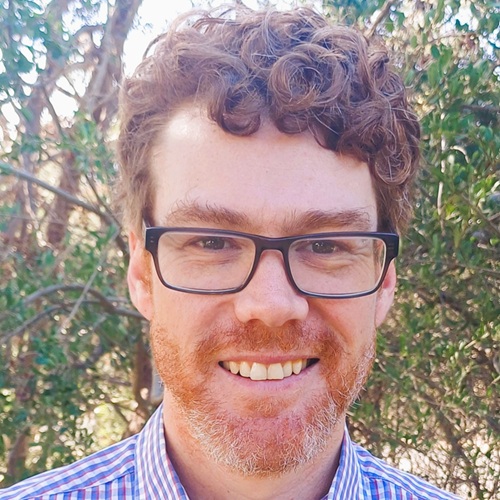
Glenn Simpson is a Senior Lecturer in Foundation Skills with TAFE SA, specialising in distance and remote delivery in the SEE program. He applies UDL 3.0 to design accessible, low‑bandwidth learning for adults who have been sidelined by traditional education systems. A neurodiverse‑friendly educator, Glenn uses animated videos 🎬, emoji‑rich interactions 😊 and humour to help learners stay engaged and keep going when learning feels hard. He collaborates with teams to turn dense, text‑heavy materials into flexible, practical resources grounded in real lives, real workplaces and real learning goals 🔧.
Abstract - UDL Driven Design for Remote Adult Learners in the VET Sector
The SEE Distance Learning program at TAFE SA supports adult learners who face significant barriers to face to face study, with many relying on paper-based materials due to limited digital access. Most learners enter at ACSF Level 1, making text heavy resources and minimal educator contact (often brief weekly phone calls) difficult to navigate. To improve engagement, comprehension, and confidence, resource design must be reimagined through a UDL 3.0 lens to ensure materials are accessible, culturally responsive, and manageable for learners with low literacy and mobile only access.
This presentation outlines how TAFE SA applied UDL 3.0 principles – Provide Multiple Means of Representation, Enhance Comprehension, Support Executive Function, and Optimise Relevance, Value and Authenticity – to redesign paper-based materials using a UDL first methodology. Key strategies include simplified, contextualised language supported by explicit AI prompting, intentional white space, and dual coding through icons, emojis, images, and short animations. QR linked audio and video were incorporated because most learners have mobile phones with data, enabling accessible explanations of content, goals, and processes. These multimodal elements include playful educator voiced animations with lip synced characters, minimal text, captions, and audio support for EAL learners. The development approach drew on team teaching experience and professional learning, with post release learner feedback used to refine clarity and engagement.
Early feedback shows increased task clarity, reduced cognitive load, stronger learner content connection, and improved confidence in independent learning. One learner shared, “I love the emojis. I see them first, then reading is just easier.” Challenges included generating culturally appropriate, context specific AI images and balancing visual appeal with accessibility.
Aligned with the symposium theme “From ideas to impact,” this session shares practical UDL aligned strategies using print, video, audio, and AI assisted design to enhance accessibility for remote VET learners. Attendees will interact with both paper and digital samples, and the session will demonstrate how explicit AI prompting was used to address common design barriers and avoid low quality outputs.
UDL Beyond the Course: Designing Program Structures for Access and Inclusion
Dr Rachel Kasturi, Senior Inclusive Educational Designer, University of New South Wales
Presentation: 30 minutes
Level: Intermediate
3:30 - 4:00 pm (Presenter/s: Online)
Room: 2035 Orange
UDL is often applied course by course, yet many barriers are created by program structures. This presentation introduces a program-level UDL 3.0 lens used in a university-wide curriculum transformation to examine assessment patterns, cognitive load, hidden curriculum, and baseline accessibility expectations. Attendees gain a practical template and program decision-making prompts to support shared, iterative, and context-responsive change. This work was co-authored by Freddy Ha, Educational & Assessment Design, University of New South Wales.
Abstract - UDL Beyond the Course
UDL is often implemented as course-level teaching strategies. However, evidence from Australian higher education suggests that many equity-related barriers are structural, shaped by how assessment, information and progression are patterned across programs and accumulate throughout the student lifecycle (Australian Universities Accord Review Panel, 2024; NCSEHE & ORIMA Research, 2023). National student experience data show persistent differences for equity cohorts (Social Research Centre, 2024). Disability equity research highlights the role of institutional processes, communication, and environments in shaping participation (Pitman, 2022) while academic literacies research demonstrates how implicit expectations and disciplinary norms can function as structural barriers when left unexamined (Davis et al., 2025).
In the context of a large Australian university’s institution-wide curriculum transformation, where UDL is positioned as a foundation for all programs and courses, this session reframes the UDL Guidelines 3.0 as a shared design language for translating established equity and accessibility evidence into program-level decisions. Rather than leaving inclusion to course-by-course variability, we position access and participation as structural considerations within curriculum review and decision-making processes.
Designed for disability practitioners, inclusive education leaders, and learning designers who influence policy, templates, and quality cycles, the session introduces a practical “program-level UDL lens” and prompt set. We focus on levers including transition points; assessment sequencing and pacing; cumulative cognitive load; navigation and information architecture; baseline accessibility-by-default; and learning and assessment environments. Stabilising key program structures reduces barriers and enables flexible, context-responsive UDL at course level. To foreground student experience, we share optional indicators teams can use to monitor effects over time (e.g. accessibility audits, LMS help-seeking signals, adjustment patterns).
Thursday - Stream D
Podagogy: Podcast Production Principles that Maximise Accessibility in Higher Education
Mark Shelton, Senior Teaching Fellow, University of Tasmania
Presentation: 30 minutes
Level: Beginner
10:20 - 10:50 am (Presenter/s: In-person)
Room: 2038 Green
As audio-based learning resources become increasingly embedded in higher education, a critical question emerges: how must podcasts be designed in order to genuinely serve diverse learners. This presentation shares findings from research that investigated which design features most significantly enhanced accessibility and engagement across a varied student cohort.
Abstract - Podagogy: Podcast Production Principles that Maximise Accessibility in Higher Ed
As audio-based learning becomes increasingly embedded in higher education, a critical question emerges: not whether students will listen to podcasts, but how they must be designed to genuinely serve diverse learners. This presentation shares findings from a mixed-methods study conducted at the University of Tasmania, in which pre-service teachers experienced three distinct podcast formats (quick burst, narrative, and chat show) embedded within a structured unit of study.
Grounded in UDL 3.0 principles, particularly the provision of multiple means of representation and supporting flexible engagement, the research investigated which design features most significantly enhanced accessibility for a varied student cohort. Student perception data revealed meaningful differences across formats in areas including comprehension of complex concepts, retention of key information, and the capacity to fit learning into busy schedules. Findings also highlight the logistical dimensions of accessible podcast design that are frequently overlooked: transcript provision, offline downloading, hosting platform choice, and how institutional LMS access compares to mainstream podcast applications. All of which have direct implications for learner autonomy and equitable participation.
Production variables including episode duration, pacing, and presenter communication style emerged as significant determinants of whether audio content removes or reinforces barriers to learning.
Participants will leave with an evidence-informed, practical framework of podcast design principles spanning content structure, production quality, and accessibility logistics. This information will be applicable to their own HE or VET teaching contexts.
UDL in Action: Rethinking 'Representation'
Rebecca Rosenberg, PhD Candidate, Monash University; Elisabeth “Libby” Arnold, PhD (Design) Candidate, The University of Newcastle
Workshop: 60 minutes
Level: Beginner
11:20 - 12:20 pm (Presenter/s: In-person)
Room: 2038 Green
This UDL in Action practical workshop is designed to foreground the importance of cognitive accessibility as a vital pedagogical practice essential to equipping and therefore empowering undergraduate and early career teachers as inclusive educators. This research-informed workshop will share accessible, usable design strategies that support and benefit all students.
Rebecca Rosenberg
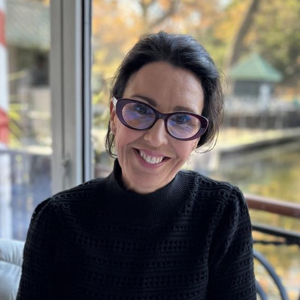
Rebecca Rosenberg is a teacher in Queensland who works with students with disability from kindergarten to Year 12. She has however recently accepted a role at the University of Southern Queensland (UniSQ) as Lecturer (Curriculum and Pedagogy - Special Education). Rebecca has taught in government, Catholic, and independent schools. She holds a Bachelor of Education (Primary), Master of Education (Inclusive and Special Education), and a Graduate Certificate of Educational Research. Currently Rebecca is studying a Doctor of Philosophy Degree in Education focused on early career teachers and inclusive education. In 2025 Rebecca also launched the “UDL in Action Podcast”.
Libby Arnold
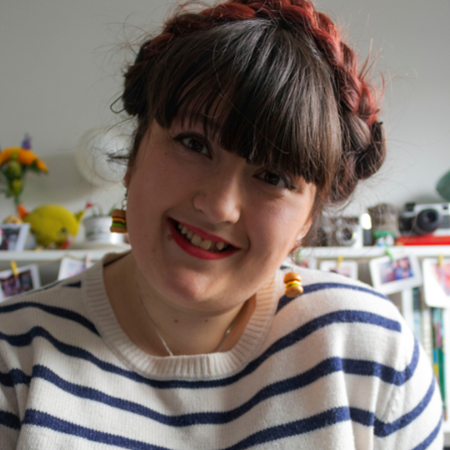
Libby Arnold is a visual communication design researcher and practitioner based in Newcastle, Australia, with a strong focus on accessibility and inclusive design. She is currently undertaking research at the University of Newcastle, exploring how accessibility guidelines can be translated into practical tools for primary educators supporting K–6 students with autism. Alongside her research, Libby works in graphic design, branding, and design research, contributing to creative and educational projects. Her work sits at the intersection of design, education, and advocacy, with a strong commitment to making inclusive design principles accessible and actionable in everyday practice.
Abstract - UDL in Action: Rethinking 'Representation'
Rebecca Rosenberg is a teacher working in Queensland, Australia who has spent decades working with teachers and students across kindergarten to year 12 classrooms. She is currently completing her PhD focused on early career teachers becoming impactful, inclusive educators. She also launched a podcast this year titled 'UDL in Action Podcast'.
Libby Arnold is an accessible graphic designer working in New South Wales, Australia. She has a passion for transforming accessibility in education and is also currently completing her PhD focused on enhancing accessibility guidelines for Kindergarten to Year six educators.
This is Libby's response to the question from Rebecca 'So when teachers hear accessibility, what do they usually think of and what are they missing when it comes to understanding what cognitive accessibility is?'.
Libby - "So, teachers often think about reasonable adjustments as an accessibility thing. However, cognitive accessibility is looking at the way things are designed or information is designed so that it reduces the cognitive load of students with autism. A prime example of that is, if you've got a slide that has lots of information, reducing that with the use of dot points and bolding key points can really reduce that cognitive load for a student with autism and encourage engagement within the classroom.
Rebecca's response was "That's an excellent example. Thank you. That's cognitive accessibility in action."
UDL Aligned, ASQA Compliant VET Assessment Practice
Trina Bianchini, Teaching and Learning Specialist, TAFE SA; Jennifer Cousins, Coordinator SA and NT, Positive Partnerships
Presentation: 30 minutes
Level: Beginner
12:30 - 1:00 pm (Presenter/s: In-person)
Room: 2038 Green
This is the story of our Vocational Education and Training (VET) led Community of Practice exploring and co-designing resources to support educator capability in Universal Design for Learning (UDL) aligned, Australian Skills Quality Authority (ASQA) compliant assessment.
Trina Bianchini
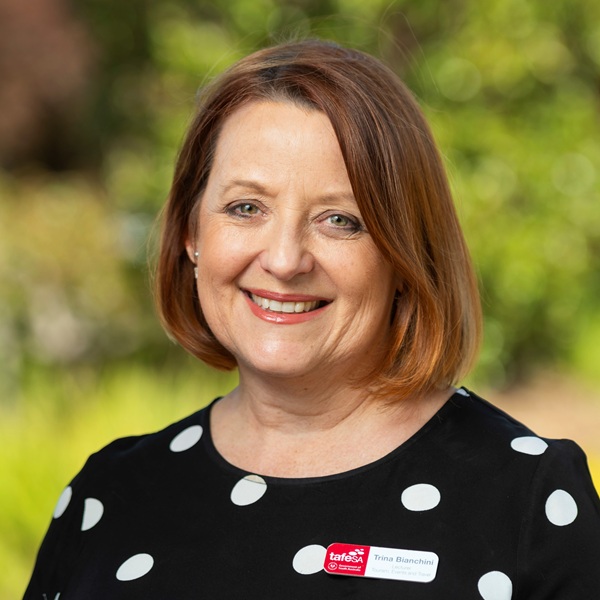
Trina Bianchini is employed at TAFE SA in Academic Development, as a Teaching and Learning Specialist with a special portfolio of Accessibility and Inclusive Education. This role involves providing leadership to teaching programs through quality and innovation to deliver positive student experiences and successful outcomes. Trina is a passionate advocate of Universal Design for Learning (UDL) as it drives principles of accessibility, usability and quality learning design addressing both digital content and effective facilitation methods utilising digital tools. Trina facilitates the UDL in Tertiary Education Community of Practice with members from across Australia/New Zealand and a lead in the TAFE SA Co-Design Network who are tasked with designing and implementing an Inclusive Teaching and Learning framework at TAFE SA.
Jennifer Cousins
Jennifer Cousins has had the privilege of working as a Developmental Educator, Disability Advocate, VET Practitioner, and Teaching and Learning Specialist in Accessibility and Inclusive Education. Throughout her career, she has supported individuals with diverse needs in planning and managing their educational journeys, while also collaborating with educators to develop inclusive teaching strategies. Her qualifications in Disability, Law, and Education, combined with extensive professional experience, underpin a strong commitment to empowering students with varied support needs. She has worked extensively with the Australian Disability Clearinghouse on Education and Training (ADCET) to develop a range of online training resources for the tertiary education sector, with a focus on access, inclusion, and Universal Design for Learning (UDL). Jennifer is deeply committed to the belief that we all engage with the world through different ways of knowing, doing, and being—and that inclusive education must reflect and honour that diversity.
Abstract - UDL Aligned, ASQA Compliant VET Assessment Practice
This presentation shares the evolving work of the Vocational Education and Training led Community of Practice (CoP) formed to explore how Universal Design for Learning (UDL) can be meaningfully embedded into assessment while maintaining full alignment with the requirements of the 2025 Standards for Registered Training Organisations (RTOs).
The group formed after identifying a persistent gap across the sector: while UDL is increasingly embedded in learning materials and formative assessment, summative assessment remains tightly constrained by traditional interpretations of the Principles of Assessment, the Rules of Evidence, and compliance expectations. These constraints often lead to single mandated assessment methods and a reliance on reasonable adjustments, rather than designing assessments that remove barriers from the outset.
The CoP adopted the CAST UDL Framework 3.0 and the ASQA Standards for RTOs 2025 as foundational reference points. Through collaborative analysis, the group is examining how UDL principles can be applied across both formative and summative assessment without compromising competency‑based requirements.
The revised ASQA Outcome Standard 2: VET Student Support, positions learner support as an institutional responsibility. The CoP is leveraging this standard as a compliance‑aligned rationale to support proactive design of assessments that anticipates and addresses learner variability; and enables the articulation of defensible strategies for embedding UDL into assessment design and documentation.
We will present the agreed key actions and outcomes to date and showcase the co-designed resources. This will include
- Mapping documents that benchmark UDL practices to ASQA guidance.
- Assessment development processes that integrate UDL from the outset
- Practical tools and supporting resources such as exemplar assessment tasks
The project demonstrates that UDL‑aligned, ASQA‑compliant assessment is both achievable and essential for equitable VET assessment practice. Attendees will leave with confidence that they can shift to a more proactive assessment design integrating UDL and ASQA requirements to support successful outcomes for learners.
Embedding a Faculty Partner Model to Advance UDL at Deakin University – A Pilot
Steven Morgan, Manager - Access and Inclusion, Deakin University
Presentation: 30 minutes
Level: Beginner
2:40 - 3:10 pm (Presenter/s: In-person)
Room: 2038 Green
This presentation shares rationale, design, and early impact of Deakin University’s new Faculty Partner Pilot, a Senior Coordinator from Access and Inclusion role embedded within the Faculty of Health to build confidence, reduce reliance on individual adjustments, and accelerate institution wide adoption of Universal Design for Learning (UDL) 3.0.
Steven Morgan

Steve Morgan has an academic and professional background in Exercise Science, Adaptive Physical Education and Community Development within professional sport and NGOs. All his previous roles have worked toward improving opportunity and outcomes for marginalised populations. Steve started at Deakin as a Disability Liaison Officer in 2014 before moving into the Manger role. Steve has lived experience with disability after being diagnosed with cancer in 2019 and has benefited greatly from workplace inclusive practises and flexibility. Steve loves all things connected to the ocean and water. He spends way too much time watching sport on TV.
Abstract - Embedding a Faculty Partner Model to Advance UDL
Deakin University has a proud history of supporting students with disability (SwD). Yet rapid growth in registrations with the Disability Resource Centre (178% since 2016) has created unsustainable demand for individualised adjustments and extended wait times for essential supports. At the same time, institutional data highlights persistent equity gaps. These gaps include SwD being less likely to succeed, less likely to report a quality educational experience, and less likely to feel a sense of belonging compared to those without disability. These trends signal the need for a systemic shift from reactive, case-based support to embedded inclusive design that supports all SwD, including those not engaged with the Disability Resource Centre.
In response, Deakin’s Access and Inclusion team has launched a Faculty Partner Pilot: A Senior Coordinator role embedded within the Faculty of Health to build capability, co design inclusive curriculum practices with academic and professional staff, and partner directly with SwD to ensure authentic representation. This model operationalises UDL 3.0 by supporting teaching teams to consider multiple modes of engagement, representation, and action/expression at the point of course design rather than through retrofitted adjustments.
A short time into implementation, the pilot has already demonstrated an impact, including a known point of contact within the faculty for disability related queries, membership of the Teaching and Learning Committee, contributions to resource development and considered course wide planning for students that require it.
This session will share how the pilot was developed, from ideas to action, and early outcomes of the Faculty Partner Model. It will also invite participants to reflect on why a change of approach may be needed, how to focus and a evaluate a position such as this, and who within the institution is needed to be your champions.
Universal Design for Learning in Initial Teacher Education: Do we Practice what we Preach?
Dr Samantha Woo, Associate Lecturer, Western Sydney University
Presentation: 30 minutes
Level: Beginner
3:30 - 4:00 pm (Presenter/s: In-person)
Room: 2038 Green
This presentation explores a project investigating whether initial teacher educators implement Universal Design for Learning (UDL) in practice. Findings reveal a gap between theory and application, with students reporting disengagement. Systemic barriers and traditional teaching approaches hinder full use of UDL, raising questions about whether educators practice what they preach.
Dr Samantha Woo
Dr. Samantha Woo has extensive experience in inclusive education across early childhood, primary and secondary initial teacher education programs. She is passionate about Universal Design for Learning (UDL); helping educators see diverse learners as a welcome challenge. Dr. Woo collaborated in a project with INOVASI, creating online inclusive education programs for Indonesian teachers who learnt and applied inclusive pedagogy, including UDL. She is currently undertaking multiple exciting research projects, including a UDL co-design workshop in partnership with a disability advocacy organisation. Dr. Woo is looking forward to meeting like-minded educators who dare ask themselves “Do we practice what we preach?”
Abstract - UDL in Initial Teacher Education
Usage of Universal Design for Learning (UDL) in an initial teacher education (ITE) program is explored, specifically, whether university tutors practice what they preach.
UDL is not new in higher education (HE), however in Australia, it has only recently gained momentum (Leif et al., 2025). Ironically, in this School of Education, UDL is not explicitly utilised in subject design, with several tutors ignorant of CAST’s framework. This is problematic, though reflective of the current state of HE and ITE in Australia; few UDL programs, training or professional learning is available (Cumming & Rose, 2022; Leif et al., 2023). Interviews were conducted with tutors to ascertain their knowledge and practice of UDL. Student survey data was then collected to provide evidence of the impact on student experience. Initial findings highlight discrepancies between theory and practice. Data reveals that while initial teacher educators implement and/or are knowledagble of UDL, positive impact on student experience is limited due to entrenched traditional higher education individual and system level barriers (Leif et al., 2025).
Students stated that “classes were not engaging” and that their experience was not inclusive. Barriers to student engagement included an overwhelming workload and ineffective teaching styles. This demonstrates that the UDL guidelines 3.0 are not being utilised to their full potential, with tutors finding considerations such as “nurture joy and play” and “optimise choice and autonomy” difficult to put in practice (CAST, 2024).
The researcher’s goal for this presentation, is to determine whether this experience is widespread across Australian universities through a survey accessible for in-person and online participants. They will be asked to reflect on their practice or that of an educator, using the same questions from the project. By the end of the survey, participants might well be asking themselves, “do we practice what we preach?”.
Our Valued Symposium Sponsors


The UDL Symposium 2026 is brought to you by ADCET
In partnership with


ADCET is funded by the Australian Government Department of Education