
Home | Recordings | Presentation Information | Organising Committee
Friday Sessions
See below for information on the presentations and workshops.
Friday - Stream A | Friday - Stream B | Friday - Stream C | Friday - Stream D
Friday - CAST Brainstorming Breakfast session
International UDL Open Research Hub: Share your feedback
Jenna Gravel, Senior Director of PreK-12 Research, CAST; Elizabeth Hitches, Teacher of Inclusive Education, Griffith and Teacher of Research Methods, UQ
Special Session: 60 minutes
7:30 for a 7:40 start - concludes 8:40 am (Presenter/s: Online)
Room: 1010 Blue
CAST and partners from various Australian and USA universities are exploring an International UDL Open Research Hub - an accessible, collaborative space to share research and advance global UDL practice. As the concept is in early development, your feedback is sought on its value, features, and community design. The session will include a brief overview, participant discussion, and opportunities to contribute to the Hub’s development. Feedback will be shared with both attendees and those unable to join.
Jenna Gravel

Jenna Gravel is CAST’s Senior Director of PreK-12 Research. She leads efforts to connect research and practice by supporting educators to apply UDL to design inclusive learning environments in which learners are honored, supported, and challenged. Jenna co-chaired the community-driven, research-based process to develop the most recent version of the UDL Guidelines. She is also an adjunct lecturer at the Harvard Graduate School of Education. Prior to these roles, Jenna was a middle school special educator and a research associate at CAST where she contributed to the original editions of the UDL Guidelines.
Elizabeth Hitches

Elizabeth Hitches research interests lie in inclusive education at a national and international level, as well as equity, achievement, and wellbeing for students with disability, chronic health conditions and/or accessibility requirements. Her research is currently exploring academic stress in higher education, and how this can be reduced in inclusive and accessible ways through a UDL lens. She is also a sessional academic teaching in inclusive education across various universities, and a teacher of research methods at the UQ.
Abstract - International UDL Open Research Hub
CAST and partners from the University of Queensland, the University of Newcastle, the State College of Florida-Manatee-Sarasota, and Central Connecticut State University are developing the idea of an International UDL Open Research Hub. This Hub would be a universally designed and accessible space to share research and spark global collaboration around UDL interventions, implementation, methodologies, and outcomes. The Hub concept is still in the initial stages of development, and we would be thrilled to learn from your feedback. Would a Hub be useful to you and your practice? What kinds of features would support you? How might we design the Hub to build community?
The session will begin with a brief overview of the Hub concept. Then participants will share their ideas. We will conclude the session with ways to get involved in further developing the Hub idea. Participants’ feedback will be shared with both attending session participants as well as with participants who might not be able to join but who would still like to contribute their ideas and perspectives.
Friday - Stream A
INSIGHT: Operationalising UDL in Assessment
Dr Mariko Francis, Lecturer/Researcher; Dr Elise Waghorn, Program Manager/Lecturer, RMIT University
Workshop: 60 minutes
Level: Intermediate
9:40 - 10:40 am (Presenter/s: Online)
Room: 1017 Red
This interactive workshop demonstrates how the INSIGHT Framework operationalises Universal Design for Learning principles within assessment design. Participants will analyse and redesign an assessment task using structured barrier anticipation, leaving with a practical, scalable tool to strengthen accessibility, learner agency, and inclusive practice in HE and VET contexts.
Dr Mariko Francis
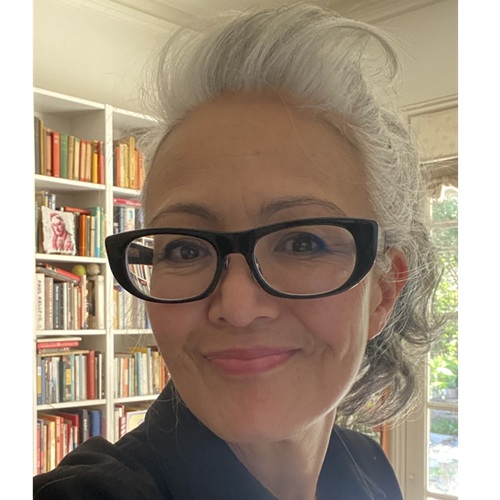
Dr Mariko Francis is Lecturer and Course Coordinator in Inclusive Education at RMIT University. She teaches across undergraduate and postgraduate courses in inclusive education, including, differentiation, positive behaviour support, and policy. Her teaching and research focus on inclusive education, Universal Design for Learning, Multi-Tiered Systems of Support, and equitable design across teaching, assessment, and support planning. She co-developed the INSIGHT Framework with Dr Elise Waghorn as a practical scaffold for inclusive planning and decision-making. In this workshop, she draws on one application of the framework to support barrier-aware assessment design that strengthens accessibility, learner agency, and inclusive practice. Dr Mariko Francis ORCID page
Dr Elise Waghorn
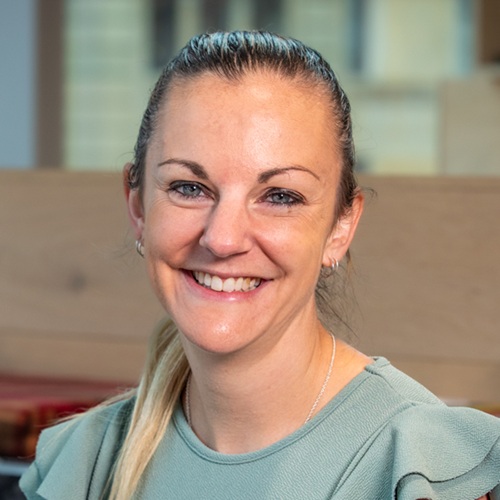
Dr Elise Waghorn is Program Manager and Lecturer in Early Childhood Education at RMIT University. Her research focuses on sensory responsive pedagogies, inclusive education, and initial teacher education, with particular attention to how pedagogical and environmental design support participation, engagement, and wellbeing. She completed her PhD at the University of Melbourne in 2023, examining global childhoods and the intersections of children’s lifeworlds, policy, and educational experiences across Australia, Hong Kong, and Singapore. Dr Waghorn co developed the INSIGHT Framework with Dr Francis and works across research, curriculum, and professional learning to translate inclusive education principles into practical tools for teaching, assessment, and planning. Dr Elise Waghorn ORCID page
Abstract - INSIGHT: Operationalising UDL in Assessment
Universal Design for Learning (UDL) is widely endorsed across Higher Education (HE) and Vocational Education and Training (VET), yet implementation often remains conceptual rather than embedded in assessment design decisions. Research indicates that educators and Initial Teacher Education (ITE) students tend to endorse inclusive education principles (Basham et al., 2020; Griful-Freixenet et al., 2020; Francis & Waghorn, 2025; Sharma, 2018), this endorsement is often conceptual rather than operational and does not necessarily translate into confident assessment design practices.
This exploratory pilot study examined the INSIGHT Framework as a design scaffold embedded within ITE coursework in a HE context. The study focuses on educator learning and design processes rather than student achievement outcomes. Pre-service teachers used the framework to analyse and redesign authentic assessment tasks through structured barrier anticipation aligned to UDL 3.0 considerations, including learner variability, executive functioning demands, and multiple means of engagement, representation, and action and expression.
Evidence was drawn from two sources: de-identified comparative analysis of coursework artefacts and an anonymous survey capturing participants’ reported confidence, preparedness, and clarity when designing inclusive assessment tasks. Preliminary findings indicate more explicit identification of participation barriers and greater confidence in adjusting assessment tasks to support participation.
In this workshop, participants will apply the INSIGHT framework to analyse and redesign an assessment task from their own HE or VET context. Participants will leave with a structured method for analysing assessment tasks, identifying participation barriers, and making targeted design adjustments aligned with UDL 3.0.
Scaling Universal Design for Learning in Indonesian Higher Education: Capacity Building Through Workshops, Mentoring, and MOOCs
Dr Pujaningsih, Lecturer; Dr Nur Azizah, Lecturer; Adi Suseno, Lecturer, Wening Prabawati; Rendi Roos Handoyo, Universitas Negeri Yogyakarta
Presentation: 30 minutes
Level: Beginner
11:00 - 11:30 am (Presenter/s: Online)
Room: 1017 Red
This presentation shares a multi-university initiative in Indonesia that builds lecturers’ capacity to implement Universal Design for Learning through workshops, mentoring, and MOOCs. It highlights strategies for scaling inclusive teaching practices and improving access to higher education for students with disabilities.
Abstract - Scaling UDL in Indonesian Higher Education
Universal Design for Learning (UDL) is increasingly recognised as a key framework for advancing inclusive teaching in higher education (HE). However, many universities in emerging higher education systems face challenges in translating UDL principles into practice due to limited lecturer training, institutional awareness, and practical implementation models. This presentation shares the design and outcomes of a multi-university initiative in Indonesia aimed at strengthening lecturers’ capacity to implement UDL in inclusive higher education settings.
The initiative targeted lecturers in higher education institutions and involved a structured professional development model consisting of UDL workshops, follow-up mentoring, and open-access digital learning resources. Three regional workshops engaged 217 lecturers from 75 universities, focusing on applying the UDL 3.0 guidelines, particularly the principles of multiple means of engagement, representation, and action and expression in course design. Participants analysed learning barriers experienced by students with disabilities and redesigned their course plans to increase flexibility and accessibility.
Following the workshops, a mentoring program supported lecturers in implementing UDL strategies in their courses. Evidence from mentoring reflections and action plans showed that more than half of participants implemented at least one UDL principle in their teaching, resulting in redesigned lesson plans, alternative assessment options, and improved accessibility of learning materials. Participants also reported increased awareness of student learning variability and greater confidence in supporting students with disabilities.
The goal of this session is to share a scalable professional development model for implementing UDL in higher education and to discuss lessons learned in promoting inclusive teaching practices across diverse institutions. The session will actively engage online participants through interactive polling, case-based discussion of teaching scenarios, and collaborative reflection on how UDL strategies can be adapted within participants’ own institutional contexts.
UDL: Practical Strategies for the University CFL Classroom
Jessica Wang, Associate Lecturer, Curtin University
Presentation: 30 minutes
Level: Beginner
11:40 - 12:10 pm (Presenter/s: Online)
Room: 1017 Red
This presentation showcases a UDL 3.0–informed redesign of a Chinese as a Foreign Language course. Using multimodal tools, learner choice, and immersive roleplay, it reduces cognitive and affective barriers, fosters learner autonomy, and builds confidence, engagement, and oral proficiency in inclusive, hybrid learning environments.
Jessica Wang
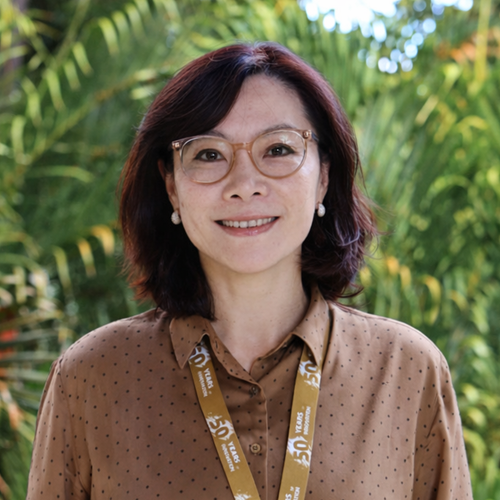
Jessica Wang is an Associate Lecturer in Asian Languages at Curtin University, with extensive experience teaching Mandarin across primary to tertiary contexts. Since 2019, she has worked as a unit redeveloper, coordinator, lecturer, and tutor in Chinese language and culture at Curtin University and Open University Australia. Her teaching and curriculum work focus on inclusive, student‑centred language learning, with a strong emphasis on applying Universal Design for Learning (UDL) to assessment, engagement, and spoken language development. Jessica is the recipient of multiple Curtin Learning and Teaching Excellence Awards for curriculum transformation and innovative pedagogy.
Abstract - UDL: Practical Strategies for the University CFL Classroom
This presentation demonstrates a comprehensive redesign of a Chinese as a Foreign Language (CFL) course, specifically addressing the challenge of “heavy” content loads by applying UDL 3.0 guidelines to foster autonomous “expert learners”. By providing a “buffet” of multi‑modal tools, the curriculum reduces systemic barriers and allows students to customise their learning path based on individual needs.
To support Multiple Means of Representation, the Ricciwawa platform allows students to customise digital text through toggling Simplified/Traditional characters and adjusting Pinyin/Zhuyin visibility and audio speeds. This flexibility reduces the cognitive load associated with character recognition and tonality. Vocabulary acquisition is further supported by Multiple Means of Engagement, where students choose between customisable physical flashcards for tactile learning or gamified digital platforms such as Quizlet, Wordwall, and Blooket. These tools transform rote memorisation into a “Joy and Play” experience, allowing students to regulate their own level of challenge.
A central innovation is Multiple Means of Action and Expression through immersive roleplay. To lower the high affective filter and anxiety of oral output, students perform as news anchors or voice actors after initial teacher‑led coaching. By framing speech within creative scenarios, student tension is replaced by social interaction, leading to higher oral proficiency and text comprehension. Impact is measured by students’ increased self‑efficacy and their ability to proactively use iLectures for pre‑class preparation.
Finally, the session models Hybrid Engagement, demonstrating how Padlet allows online and in‑person participants to share video and audio contributions in a single digital space. This ensures all learners, regardless of location, receive real‑time feedback and participate in a unified, inclusive community of practice.
Inclusive Learning in a Virtual Gallery Space
Dr Arianna Dick, Lecturer; Thoa Mai Phuoc Nguyen, Senior Learning Designer; Keith Hibbert, Augmented & Virtual Reality Designer, RMIT University
Presentation: 30 minutes
Level: Beginner
2:00 - 2:30 pm (Presenter/s: Online)
Room: 1017 Red
This project develops a virtual gallery using UDL principles and assistive technology tools to support diverse learner needs. It fosters inclusive participation through persona-based presentations and interactive lectures, promoting accessibility, autonomy, and engagement for students with varied abilities, backgrounds, identities, and learning preferences within an immersive learning environment.
Dr Arianna Dick
Dr Arianna Dick is an early career Lecturer in Food Technology at RMIT University and Program Manager of the Bachelor of Food Technology and Nutrition. Her research focuses on advanced food processing, with expertise in the physical, rheological and tribological characterisation of food materials. Arianna was awarded the RMIT School of Science Early Career Teaching Award for her 2024 teaching performance. Her teaching practice centres on inclusive and student centred assessment design, and she explores digital approaches to support effective feedback, student engagement and accessibility in large, diverse cohorts, aligned with Universal Design for Learning principles.
Thoa Mai Phuoc Nguyen

Thoa Mai Phuoc Nguyen is a Senior Learning Designer at RMIT University with extensive experience across HE and VET, specialising in curriculum design and digital pedagogy. Her work focuses on curriculum innovation and quality, grounded in a learner-centred approach that supports students from diverse backgrounds and learning needs. She collaborates with academics and professional staff to drive curriculum design and learning innovation, with UDL playing a key role in enhancing student engagement and learning experiences. She holds a Master of Education (Digital Technologies for Learning) and is a recipient of the STEM College Learning & Teaching Values in Action Award.
Keith Hibbert

Keith Hibbert is a Virtual Reality and Immersive Learning Developer at RMIT University, specialising in the design and development of interactive experiences that enhance education and training. His work focuses on creating spatially rich virtual environments, digital twins, and AI-enhanced simulations that enable users to engage with complex, real-world scenarios. Keith has contributed to innovative projects in areas such as accident investigation, experiential learning, and immersive storytelling. With a strong interest in emerging technologies and human-centred design, he is dedicated to advancing how people learn, explore, and connect through immersive digital experiences and cutting-edge interactive media.
Abstract - Inclusive Learning in a Virtual Gallery Space
This project proposes the development and implementation of a virtual gallery platform to enhance inclusive learning experiences for all students, particularly those with disabilities, mental health challenges, neurodivergence, and varied cultural, linguistic, and educational backgrounds, offering multiple ways to participate and demonstrate knowledge.
The gallery will serve as both an assessment space and a learning environment, where students can upload posters, narrated presentations, or interactive media, while interactive, persona-based tutorials will provide guided learning experiences. Grounded in UDL principles, the platform will offer flexible, multimodal participation options that promote accessibility, autonomy, and engagement.
The initiative responds to accessibility and participation barriers in higher education, where traditional classroom formats often disadvantage students experiencing anxiety, sensory sensitivities, or communication challenges. By allowing students to present and interact through customisable personas in a virtual space, this project fosters student voice, choice, and ownership, key elements of inclusive pedagogy.
The gallery will be piloted in an RMIT STEM course in Semester 2, 2026. Students will upload assessment materials to a shared virtual space, encouraging peer learning, low-pressure discussions, and peer feedback. The platform will also explore interactive tutorials, where students attend as avatars or personas, thereby reducing social anxiety and enabling alternative modes of participation, such as chat, gesture-based responses, or visual cues, to promote accessibility.
Accessibility will be prioritised through compatibility with screen readers, captioning, and other assistive technologies. Feedback will be collected through student surveys to evaluate the impact on student confidence, engagement, and learning outcomes.
This online session will showcase the virtual gallery’s progress and design rationale to online and in-person participants. Through a short, scenario-based guided walkthrough, participants will experience the space from a learner’s perspective and be invited to provide feedback and reflect on how it applies to their own educational contexts, reinforcing relevance beyond the session.
A Programmatic Approach to Universal Design for Learning in Postgraduate Health Promotion
Nick Yates, Academic Developer; Dr Bridie Kean, Senior Lecturer in Public Health, University of the Sunshine Coast
Presentation: 30 minutes
Level: Beginner
2:40 - 3:10 pm (Presenter/s: Online)
Room: 1017 Red
This presentation describes a programmatic approach to embedding Universal Design for Learning in a redesign of online postgraduate health promotion courses. An innovative Canvas template promoted inclusivity, multimodal learning pathways, reduced cognitive load, and consistency across courses. Evidence highlights improved student experience, academic efficiency, and equitable learning design for diverse cohorts. Assoc Prof Jane Taylor, Discipline Lead - Public Health, and Dr Tara Gamble, Senior Lecturer in Public Health, University of the Sunshine Coast were also co-contributors to this project.
Nick Yates

Nick Yates is an Academic Developer within the Centre for Learning and Teaching at the University of the Sunshine Coast. His extensive international higher education experience helps him guide, advise, and shape programs and courses to enhance the student experience. Nick collaborates with educators to develop transformational curriculum and innovative pedagogical approaches respond to the growing and diverse UniSC community. He is an active collaborator in SoTL within curriculum design, inclusive and learning-centred pedagogies, and teacher regonition and Fellowships programs.
Dr Bridie Kean

Dr Bridie Kean is a Senior Lecturer in Public Health and the Program Lead of the Master of Health Promotion (MHP) program at UniSC. Bridie’s teaches foundation public health research and evidence courses to public health and health undergraduate students and has taught across public health courses for over 12 years at the University of the Sunshine Coast. Bridie is passionate about inclusive curricula design which is learning centred and constructively aligned at the program, course and assessment level. As program coordinator of a fully asynchronous degree, Bridie is passionate about enhancing the online experience for students.
Abstract - A Programmatic Approach to UDL in Postgraduate Health Promotion
The Masters of Health Promotion has a changing demographics of their online, asynchronous cohort of post-graduate students. The team turned to Universal Design for Learning (UDL) principles to ensure the program of courses were designed with inclusive online learning pathways. The program utilised UDL to promote further equitable engagement of future student cohorts towards achieving program learning outcomes and readiness for the health promotion workforce.
This online presentation will showcase how the team programmatically designed for learner variability with an innovative Canvas (Learning Management System) template. The design of this template for all courses meant UDL and optimised learning was embedded in the initial design and learning barriers were proactively removed. We present an online postgraduate course template for use in Canvas, developed in collaboration with three Academics and an Educational Designer. The team aimed for the innovative template to promote a programmatic approach to course design, enabling consistency across courses so the learning experience was equitable for our diverse student population. The template provided a structure for all public health courses, prompting each module in a course to include key concept video/s, concept reading/s, applied concept activities and assessment practice activities.
Evidence will outline the student and academic experience. Post-graduate learners now experience a consistent yet flexible presentation of content with multiple modalities with a reduced cognitive load. For academic staff, the use of the template means UniSC public health teaching team can remain focused on our value of creating educational experiences. They can redesign their content with a focus on students learning the threshold and key learning concepts with the template supporting them to flesh this out in a scaffolded, accessible, and inclusive way. The template has supported our goal of creating equitable learning experiences for online postgraduate students. It is being viewed for greater institutional-wide adoption.
From Lecture to the Production Line: Building Learner Agency in Food Processing Technology
Dr Mina Dokouhaki, Lecturer in Food Technology, RMIT University
Presentation: 30 minutes
Level: Beginner
3:20 - 3:50 pm (Presenter/s: Online)
Room: 1017 Red
A UDL 3.0 redesign of an HE Food Processing Technology course that bridges the theory-to-industry gap through real case studies, pilot-plant practicals, guest speakers, and site visits. Learn a transferable template for building learner agency and flexible participation, with demonstrated impact.
Dr Mina Dokouhaki

Dr Mina Dokouhaki is a Lecturer in Food Technology at RMIT University. Her teaching focuses on applied, industry-informed learning that connects scientific concepts with food manufacturing practice. She coordinates undergraduate and postgraduate food processing courses and designs authentic learning activities through pilot-scale practicals, industry site visits, guest speakers and career development learning. Her scholarship explores inclusive and industry-partnered learning design, including Universal Design for Learning-informed approaches that support learner agency, flexible participation and professional readiness. Her research focuses on sustainable food processing, functional ingredients and food materials.
Abstract - From Lecture to the Production Line
Students in Food Processing Technology can master fundamentals yet still struggle to apply theory in real food manufacturing, where decisions are shaped by equipment capability, food safety requirements, product quality targets, and shelf-life expectations. This Higher Education (HE) course redesign applies the UDL Guidelines 3.0 to build learner agency by making application visible, offering choice-driven pathways, and extending learning beyond the classroom into authentic industry contexts (themes: UDL beyond the classroom; Innovative UDL practices in teaching and learning).
Across a 12-week semester, each topic begins with brief micro-videos (animations/curated clips) to preview key concepts, followed by pre-recorded lectures in Canvas for flexible, self-paced learning and revision. Fortnightly tutorials use industry-inspired case studies to bridge theory-to-application. Students select a case pathway from a menu (dried products, beverages, sterilised foods) and work through guided questions showing how core concepts inform troubleshooting, process decisions, and quality outcomes.
Application is reinforced through practical sessions in a food pilot plant and laboratory. Students produce and evaluate products (e.g., spray-dried milk powder; canned fruits/vegetables; emulsions), analyse properties using analytical instruments, and compare lab-made outputs with commercial equivalents. UDL beyond the classroom is embedded through two industry guest speakers (Kraft Heinz; Asahi Beverages) and two site visits (Asahi Beverages; Edlyn Foods), connecting processing steps, quality checks/validation, common challenges, and career pathways to real workplaces. Tutorials, guest sessions, and equipment-in-operation videos are recorded and uploaded to support flexible participation and revisit opportunities.
Following implementation, the course Overall Satisfaction Indicator (OSI) increased from 2.5 to 4.3, supported by student feedback highlighting clear explanations, constructive assessment feedback, and the value of combining theory, practical learning, and industry involvement. This presentation will provide participants with a replicable ‘theory-to-industry’ design map to strengthen learner agency in practical, industry-linked courses.
Friday - Stream B
Designing for Joy: Inclusive Engagement in Asynchronous Learning
Denise Hodgson, Senior Digital Learning Designer, Australian Catholic University
Workshop: 60 minutes
Level: Intermediate
9:40 - 10:40 am (Presenter/s: In-person)
Room: 1010 Blue
This interactive workshop explores how to design for inclusive and joyful engagement in asynchronous LMS environments. Participants will apply a practical framework and redesign common LMS elements to support belonging, confidence and motivation. Leave with adaptable strategies to foster meaningful engagement for diverse adult learners.
Denise Hodgson
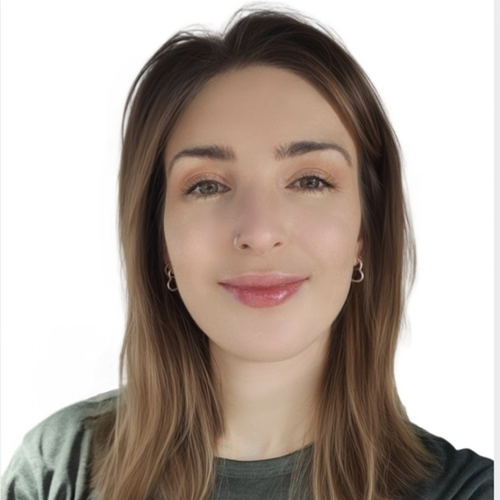
Denise Hodgson is a creative education professional with 10 years of experience. She is currently working as a senior digital learning designer, specialising in asynchronous higher education. She's been lucky enough to have been a teacher, language education quality assurance specialist, content creator, resource developer, and learning designer at some of Australia's best universities. She has always focused on adult learner motivation and wants to continue to enhance engagement with learning. During her career, she has developed an obsession for creating opportunities for meaningful participation for all learners with accessible, inclusive, and effective digital teaching and learning programs and materials.
Abstract - Designing for Joy
Joy is increasingly recognised as an essential component of inclusive learning, yet it can feel difficult to foster in asynchronous LMS environments where interaction is not immediate and engagement is often measured through visible activity alone. Joy in adult learning is not about entertainment, but about creating conditions where learners experience confidence, relevance, belonging and meaningful progress. These experiences are critical for sustaining motivation and supporting diverse learners, particularly those balancing study with complex personal and professional commitments.
This interactive workshop introduces a practical framework for designing inclusive and joyful engagement in asynchronous learning by recognising different forms of engagement, including visible, invisible, cognitive, emotional and relational. Participants will explore how joy emerges when learners feel safe to participate, can connect learning to their own experiences, and can see evidence of their progress and capability.
Through collaborative activities, participants will analyse authentic LMS examples and identify small, achievable design changes that foster joy and inclusion. These include using announcements to create encouragement and presence, designing discussion prompts that invite personal connection and agency, and structuring learning activities that build confidence through scaffolded success. Participants will redesign common LMS elements to enhance clarity, autonomy and belonging without requiring major redevelopment.
The goal for the session will be for participants to leave with an understanding of "invisible engagement" and a practical engagement and joy design framework, adaptable strategies, and ready-to-use examples that support inclusive participation and sustained motivation. These approaches align with UDL principles by reducing participation barriers and supporting learner variability.
From One Slide Deck to Five Access Points: Designing With Gen AI for UDL
Garth Lategan, Inclusive Learning Designer, Swinburne University
Presentation: 30 minutes
Level: Intermediate
11:00 - 11:30 am (Presenter/s: In-person)
Room: 1010 Blue
This session demonstrates how educators can use Generative AI to transform a single PowerPoint into multiple accessible, engagement-rich learning formats aligned to UDL 3.0. Participants will explore a replicable workflow that reduces barriers, supports executive functioning, and increases learner agency without lowering academic standards.
Abstract - From One Slide Deck to Five Access Points
Generative AI is often framed in tertiary education as either a productivity tool or an academic integrity concern. This session reframes Gen AI as a design partner that can operationalise Universal Design for Learning (UDL) 3.0 principles to proactively reduce predictable barriers in Higher Education contexts.
Using a practical workflow drawn from curriculum redesign practice, this presentation demonstrates how a single PowerPoint lecture can be intentionally transformed into multiple access points: recorded video with captions and transcripts, structured written summaries, mobile-friendly microlearning, and interactive learning objects. Each transformation is explicitly mapped to UDL 3.0 considerations, including supporting executive functioning, reducing cognitive load, clarifying learning goals, and sustaining engagement.
Rather than producing “more content,” the workflow focuses on designing multiple pathways to the same learning outcomes. Participants will see how Gen AI can assist educators in restructuring content, making implicit structure visible, chunking complex information, and embedding low-stakes retrieval opportunities. This approach supports learner variability without lowering academic standards and reduces reliance on reactive adjustments.
Evidence of impact includes improved comprehension of core concepts, reduced clarification requests, and increased student confidence in applying theoretical principles, particularly for students requiring additional processing time.
The session will include live demonstration, barrier-identification reflection prompts, and digital collaborative input to engage both in-person and online participants. Attendees will leave with a replicable AI-assisted design framework that positions inclusion as intentional pedagogy rather than post-production accommodation.
Inclusion from the Ground Up: Using Equity Impact Assessment to Embed UDL in the Hume Tech School
Alice Bennett, Diversity & Inclusion Manager, Bendigo Kangan Institute; Alex Sipidias Program Manager, Hume Tech School, Kangan Institute
Presentation: 30 minutes
Level: Beginner
11:40 - 12:10 pm (Presenter/s: In-person)
Room: 1010 Blue
This presentation shows how organisations can use Equity Impact Assessments as an early design tool to embed Universal Design for Learning from the outset in new programs and initiatives within the VET sector. Using Hume Tech School as a case study, it demonstrates how frontloading equity supports inclusive, flexible, and culturally responsive VET learning environments.
Alice Bennett

Alice Bennett is a Diversity & Inclusion specialist with a strong focus on access and equity in education. She leads strategic and operational initiatives that strengthen organisational culture, capability, and inclusion across Bendigo TAFE and Kangan Institute. Alice partners with leaders, employees, and students to embed respectful, inclusive, and accessible practices in policies, systems, and everyday ways of working, teaching, and learning. Guided by principles of Universal Design for Learning, she is committed to removing barriers and building working and learning environments where people feel valued, supported, and empowered to thrive.
Alex Sipidias
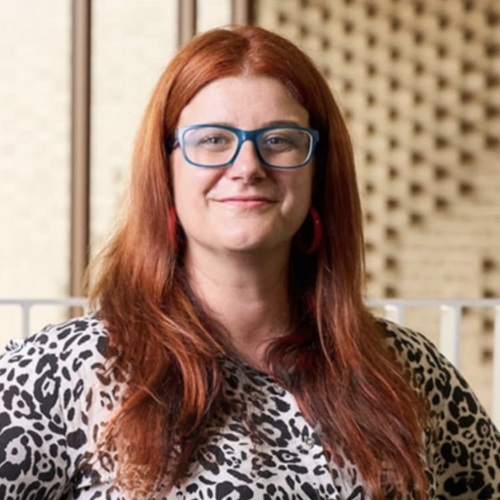
Alex Sipidias is an experienced educator, professional learning facilitator and the inaugural Program Manager of Hume Tech School, a specialist STEAM education centre delivering hands-on, industry and curriculum aligned programs to secondary students in the City of Hume in Melbourne. With a background in biotechnology, secondary teaching and learning design, Alex is deeply passionate about teaching and works at the intersection of schools, industry and community to translate emerging technologies into learning that is ethical, practical and classroom ready. Alex brings a practitioner’s lens to the EdTech space, working closely with schools and students from underrepresented cohorts in STEAM, to build capability, strengthen STEAM identity, and ensure technology is introduced with purpose, equity and student wellbeing at its core.
Abstract - Inclusion from the Ground Up
This presentation explores how Equity Impact Assessments (EIAs) can be used as early-stage design tools to embed Universal Design for Learning (UDL) before curriculum, pedagogy, or delivery are finalised in new programs.
The Hume Tech School EIA was conducted prior to program development, positioning equity as a design driver rather than a post-implementation compliance activity. It asked program leads to challenge assumptions about the “typical” STEM learner, and found that Hume Tech School would serve all secondary schools in the City of Hume, including cohorts historically excluded from STEM, such as culturally and linguistically diverse students, First Nations learners, students with disability, girls, gender diverse young people. EIA research informed design decisions by providing local demographic and social context and recognising the compounding impacts of trauma and disadvantage. This evidence base reinforced that fixed delivery models would create barriers to engagement and participation.
UDL was operationalised through development of the Hume Tech School EIA Program Design Inclusion Checklist and accompanying AI inclusion bot. Together, these tools translate equity goals into practical design prompts aligned with multiple means of engagement, representation, and action and expression, while explicitly anticipating learner variability and supporting executive functioning. The checklist embeds student voice and co-design, cultural safety, accessibility and psychological safety as non-negotiable design considerations.
In practice, the EIA functioned as a frontloading mechanism, ensuring accessibility, flexibility, and learner agency were designed in rather than retrofitted. Early impact measurements will centre around learner confidence, clearer participation pathways for students unfamiliar with STEM learning environments, reduced anxiety for neurodivergent students, and decreased reliance on individual adjustments informed through visiting teacher and facilitator observation and student feedback.
The goal of this session is to provide participants with a transferable model for using Equity Impact Assessments and inclusion checklists as practical infrastructure for embedding UDL 3.0 at an organisational level.
Embedding UDL 3.0 in Institution-Wide Academic Support Resource Design
Dr Boya Zhang, Learning Adviser, Southern Cross University
Presentation: 30 minutes
Level: Intermediate
2:00 - 2:30 pm (Presenter/s: In-person)
Room: 1010 Blue
This presentation showcases how Learning Advisers at Southern Cross University embedded UDL 3.0 into institution-wide digital academic support, extending inclusive design beyond the classroom. Participants will explore a sample module and examine how accessibility, learner agency, and autonomy were positioned as foundational design principles.
Dr Boya Zhang
Dr Boya Zhang is a Learning Adviser at Southern Cross University with a background in second language teaching and learning. She has solid experience in teaching, designing, and refining learning materials, and in supporting individual students with disability or mental health conditions in their assignment work. Her work centres on developing inclusive and accessible teaching practices and learning support resources. She has also contributed to an institution-wide project aimed at developing accessible assessment skills resources for students.
Abstract - Embedding UDL 3.0 in Institution-Wide Academic Support Resource Design
At Southern Cross University (SCU), Learning Advisers led the development of an institution-wide Assessment Skills Toolkit within Blackboard Ultra to better respond to learner variability. This project aligns with symposium themes of “Accessibility” and “UDL beyond the classroom” by embedding UDL 3.0 guidelines into digital academic support resources, extending inclusive design beyond classroom instruction.
The initial design philosophy prioritised authentic application of knowledge through interactive H5P books combining multimedia content and practice activities. However, feedback from Educational Designers highlighted accessibility limitations, particularly for students using screen readers. This prompted a shift from tool-driven interactivity to principle-driven design guided by the UDL 3.0.
Using UDL 3.0, accessibility and learner variability became foundational rather than retrofitted considerations. The Toolkit was relocated to Blackboard Ultra, leveraging the integrated accessibility tool Ally, which generates alternative formats (e.g. audios). Across the three UDL 3.0 dimensions, the redesign foregrounded agency and autonomy. In Engagement, scenario-based entry points allow students to choose pathways aligned with their assessment challenges. In Representation, content is structured in multimodal formats, with consistent text alternatives and clearly chunked text, to support information processing and reduce cognitive overload. In Action and Expression, varied practice and note-taking activities support strategic learning and flexible demonstration of understanding. Overall, UDL 3.0 reframed both the product and the development process, positioning inclusive design and self-regulation as foundational.
Early student and staff feedback indicates improved navigation clarity and greater confidence in approaching assessments. Evaluation is ongoing, including consultation with inclusion support teams to understand accessibility impact across diverse learner groups.
This session will demonstrate how UDL 3.0 can inform the development of digital resources in Higher Education. Both in-person and online participants will engage in a guided design audit of a sample toolkit module and identify actionable redesign priorities for their own contexts.
Designing Tertiary Education to Support Executive Functioning: A Universal Design for Learning Approach
Amber Kaiwi, Strategic Education Lead, Everway (formerly Texthelp)
Presentation: 30 minutes
Level: Beginner
2:40 - 3:10 pm (Presenter/s: In-person)
Room: 1010 Blue
Success in higher education depends on executive functioning. But we rarely teach it. This session reveals the hidden executive demands in tertiary and vocational settings. You’ll learn how Universal Design for Learning supports working memory, task initiation and organisation to reduce overload and improve equitable outcomes.
Amber Kaiwi

Amber Kaiwi has spent more than a decade helping schools, universities and training providers use inclusive technology to strengthen engagement, regulation and learner confidence. She brings a unique blend of EdTech experience and a background in Body Psychotherapy, giving her deep insight into how cognitive load, emotional safety and behaviour interact in the classroom. Amber is known for her warm, grounded communication style and her ability to translate complex ideas about learner diversity and connection into simple, practical approaches that support both students and staff.
Abstract - Designing Tertiary Education to Support Executive Functioning
Executive functioning underpins success in tertiary education, across both higher education and vocational contexts. Yet it is rarely made explicit. Students are expected to plan, initiate, organise, prioritise and manage attention while navigating complex assessments and digital systems. When these demands exceed capacity, disengagement and withdrawal often follow.
This session explores a shift from reactive support to proactive design. Grounded in Universal Design for Learning 3.0, it focuses on designing for natural variability in executive functioning from the outset, rather than retrofitting accommodations once barriers appear.
Drawing on current cognitive science and sector research, we will examine how working memory load, task initiation barriers and organisational complexity are embedded within curriculum, assessment and digital environments. We will explore how targeted UDL checkpoints, including recruiting interest, sustaining effort and self regulation, and supporting comprehension, can reduce unnecessary cognitive load and increase clarity across programs.
Institutional retention data shows that when expectations are visible and executive load is reduced, persistence, completion and student confidence improve. These gains are particularly strong for neurodivergent learners and students who are first in the family.
Participants will identify at least one hidden executive demand within their own context and apply a UDL aligned design adjustment that externalises structure and reduces overload.Through short reflection prompts, real world case scenarios and a guided design audit, attendees will leave with practical, scalable strategies that strengthen inclusion and improve student outcomes across whole systems.
Universal Design for Learning in Regulated VET: Systems, Structure and Sustainability
Daniel Cassar, Lead Trainer; Chris Wood, Learning & Development Coordinator (Horticulture); Peter Wilkes, Learning & Development Coordinator (Disability), South Australian Learning Centre
Presentation: 30 minutes
Level: Intermediate
3:20 - 3:50 pm (Presenter/s: In-person)
Room: 1010 Blue
Universal Design for Learning is increasingly referenced in VET, yet embedding it within regulated RTO environments will likely involve managing trade-offs. This session examines where UDL strengthens completion and evidence quality, and where poorly defined flexibility or misalignment can produce the opposite effect, reducing completions, consistency and compliance.
Abstract - Universal Design for Learning in Regulated VET
Implementing Universal Design for Learning in the regulated VET sector presents both opportunity and complexity. The UDL 3.0 framework has been shown to enhance learner agency and reduce barriers, however Registered Training Organisations must also operate within strict compliance requirements, audit expectations, and standardised assessment frameworks.
Aligned with the UDL 2026 symposium themes of “Institutional-wide approaches to UDL” and “UDL beyond the classroom”, this presentation explores how organisational decision making shapes the success and sustainability of UDL adoption within these complex systems.
The session examines the benefits and risks of embedding UDL within RTO practice, with specific attention to regulatory requirements. It takes a systems and leadership perspective rather than a classroom technique focus, analysing where UDL adds value and where risk arises if applied without sufficient structure, clarity, and planning.
Participants will consider how UDL interacts with compliance frameworks, organisational systems, and competing priorities across three VET relevant lenses: learner completion and engagement, knowledge evidence, and performance evidence. Common risks will be examined, including over flexibility, inconsistent expectations, dilution of evidence quality, and variability in assessment judgement, across both adult and VET in Schools contexts.
Presenters will draw on experience applying UDL across diverse environments, including Cert I to Cert III programs within schools, programs supporting people with disability and culturally and linguistically diverse learners, and Certificate IV and Diploma programs delivered to industry professionals in workplace settings.
Attendees will gain practical strategies for implementing UDL principles in ways that support learner agency while maintaining compliance, consistency, and evidence integrity within regulated training environments. The session will contribute to sector wide discussion about how UDL can be integrated sustainably into complex, compliance driven systems without diluting evidence requirements or weakening the validity and reliability of our assessments.
Friday - Stream C
The Importance of Universal Design for Learning for Part-Time Students
A/Prof Kelly Linden, ACSES Equity Fellow, Charles Sturt University
Presentation: 40 minutes
Level: Beginner
8:50 - 9:30 am (Presenter/s: Online)
Room: 2035 Orange
This presentation will provide an overview of key findings of a national survey of part-time students. Students were asked to rate the importance of 11 elements of unit design based on UDL. The most important element for students with disability was access to automatic extensions.
A/Prof Kelly Linden
A/Prof Kelly Linden leads the implementation of UDL in the Faculty of Science and Health at Charles Sturt University. Kelly has experience teaching large, service taught science subjects and over the last 10 years has led a number of university-wide projects to support student success and retention with a focus on UDL , Transition Pedagogy and a Pedagogy of Kindness. In 2025 Kelly received an Equity Fellowship from the Australian Centre of Students Equity and Success (ACSES) to investigate how universities could better support part-time students.
Abstract - The Importance of Universal Design for Learning for Part-Time Students
University students have traditionally studied full-time and as such, university processes are skewed towards supporting full-time students. In 2024, 35% of domestic Australian university students enrolled to study part-time and students from equity cohorts studied part-time at a higher rate than average. Many barriers that students face at university stem from institutional structures that create unnecessary complexity. The hidden curriculum, encompassing unclear processes and communication, can particularly disadvantage students from diverse backgrounds (Orón Semper & Blasco, 2018).
Universal Design for Learning (UDL) promotes inclusive, flexible learning environments through varied opportunities for engagement, multiple means of expression and diverse representation (CAST, 2024). The aim of this study was to investigate which elements of UDL are important in unit design for part-time students. A total of 965 part-time students from 35 Australian universities completed a survey, including the question ‘How important are each of the following in the design of your subjects/units/courses?’ Students were provided with 11 elements of unit design to rate using a Likert-like scale of not important at all to very important. A total of 44% of participants reported a disability, condition or illness that impacted their studies (29% registered with their university, 15% not registered with their university) and 56% of participants reported no disability.
The four most important elements of unit design were the same for students with disability whether registered or not. The most important element for students with disability was access to automatic extensions, however this was only the 7th most important element for students without disability. The next three most important elements were consistent LMS site layout, having the learning content available early and clear distinctions between key and additional content. Results from this study can help to inform which elements of unit design are important to the success of part-time students.
Valuing Cultural Capital in Tertiary Education: Representing Identities through UDL 3.0
Dr Kashmira Dave, Senior Lecturer, Academic Development, University of New England; Penny Wheeler, Student of Learning Design, University of Technology Sydney
Workshop: 60 minutes
Level: Intermediate
9:40 - 10:40 am (Presenter/s: In-person)
Room: 2035 Orange
This interactive workshop examines how UDL 3.0 moves inclusion beyond access to explicitly foreground identity, belonging and bias. Participants will critically analyse the shift from UDL 2.2, explore cultural capital in third space contexts, and co-design practical strategies to embed identity-affirming, equity-driven practices across higher education and VET.
Dr Kashmira Dave

Dr Kashmira Dave is an award-winning, experienced academic and educational learning design specialist with over 20 years of experience in teaching, learning design, and research. Her work spans diverse fields, including learning and teaching in HE, curriculum development, learning design, third space, active learning, technology integration, inclusion and ePortfolios in higher education. As a Senior Lecturer in Academic Development at the University of New England, Kashmira leads professional development initiatives, supports curriculum innovation, and oversees projects that enhance SoTL for academic staff. Kashmira is a published researcher and reviewer; her passion is advancing educational practices through evidence-based strategies, fostering a community of practice in higher education.
Penny Wheeler
Penny Wheeler is updating her knowledge and implementing UDL principles in her current studies in learning design. She has been seeing the connections between UDL and her other recent work in how peace, compassion and empathy is represented and activated in language. Penny has worked in higher education for more than 20 years, teaching and researching in educational technology, higher education policy and curriculum and learning materials design as an academic developer, an e-learning adviser, a program administrator, and an instructional editor: a typically varied third space career. She is a convenor of the ascilite TELedvisors Network.
Abstract - Valuing Cultural Capital in Tertiary Education
Universities frequently articulate commitments to diversity and inclusion, yet translating these commitments into meaningful institutional practice remains challenging. This 60 minute interactive workshop explores a critical gap in authentic representation: How do learning designers and educators actively represent and enhance the value of cultural capital embedded within their teams and the communities they serve?
UDL 3.0 Alignment: UDL 3.0's explicit recognition of representation and identity (Guideline 3) marks a significant evolution in inclusive design thinking. This workshop establishes why educator positionality and explicit recognition of identity are non-negotiable in authentic inclusive practice, moving beyond the surface-level compliance approach of earlier UDL versions. Drawing parallels with decolonising curriculum work and researcher reflexivity, we challenge the myth of neutrality, establishing that all educational work is inherently political. This recognition strengthens, rather than undermines, inclusive design.
Impact on Student Experience: When learning designers explicitly recognise and leverage cultural capital within their teams, students experience more authentic, culturally responsive curriculum design. Students from marginalised backgrounds particularly benefit when their identities and cultural assets are visibly valued in course design, learning materials, and institutional communications—directly supporting sense of belonging and retention.
- What Participants Will Do: This workshop equips learning designers and educators with three ready-to-use tools and concrete practices:
- Conduct a Cultural Capital Audit of their learning design unit—identifying which diverse perspectives are leveraged in decision-making and which remain invisible
- Develop and integrate a Team Positionality Statement into their design workflows, making explicit the identities, values, and assumptions that shape their curriculum and pedagogical choices
- Apply the Diversity-UDL 3.0 Alignment Matrix to audit current diversity [worksheet/Qs]
- commitments against UDL 3.0 representation principles, identifying gaps and action priorities
Participants will engage in structured reflection, small-group discussion, paired framework development, and individual action planning. All activities are designed to generate immediately applicable strategies.
Redesign with UDL in Mind: A Collaborative Pilot with Murdoch’s School of Nursing
Bec Inwood, Inclusive Education Specialist, Murdoch University
Presentation: 30 minutes
Level: Intermediate
11:00 - 11:30 am (Presenter/s: In-person)
Room: 2035 Orange
Join Murdoch University’s inclusive education specialist, Bec Inwood, to learn about an innovative mentoring program supporting course wide implementation of Universal Design for Learning with Murdoch's School of Nursing. This pilot program is leading the way at Murdoch towards embedding an inclusive education culture and institution wide adoption of UDL.
Bec Inwood

Bec Inwood is an inclusive education specialist, qualified secondary teacher and has an extensive background in the Arts. In her current role at Murdoch University, she is leading institution-wide adoption of UDL and developing a tiered UDL support program for staff using a creative and flexible approach. With over 25 years of experience in education, Bec has worked with learners from diverse backgrounds, and taught all ages across a variety of settings and subjects. Her teaching philosophy is deeply integrated with inclusive education pedagogy, and she has a very personal interest in the impacts of disability, health conditions, culture and socioeconomic status on learning.
Abstract - Redesign with UDL in Mind
Following a 2024 curriculum review of the Bachelor of Nursing (BN), Murdoch University’s (MU) Nursing school committed to adopt a Universal Design for Learning (UDL) approach, in the course redesign, to develop inclusive learning experiences that aim to improve student wellbeing, learner agency and success (3,4,5).
Building robust and inclusive teaching practices is rarely achieved in isolation. To support this significant undertaking, in 2025, the school partnered with MU UDL specialists to pilot the co-design of a mentoring program for unit coordinators that would empower them to embed UDL strategies (grounded in the UDL 3.0 guidelines) across the suite of 28 new undergraduate units. This two-year program was launched in early 2025, providing flexibly structured, collaborative support; all unit coordinators have participated in the program to different degrees, with delivery beginning semester 1, 2026. Throughout 2026, mentoring and coaching will continue to be available to all staff to support the implementation of UDL strategies (6). Additionally, ongoing evaluation will be undertaken, including a planned research project to measure impact on student experience and inform further development of the course, using a student co-designed feedback process (1,2)
This presentation will give insight into the structure, successes, challenges and key enablers, of our innovative pilot program and outline our progress as implementation is happening; using a UDL approach of course – including interactive and accessible multimedia content, micro-joy moments and prompts for individual and collective reflection (7). Participants will be invited to reflect on how a program like this could be replicated or used as inspiration in their own space and crucially, how the power of relationship building can establish collaborative driving forces for a broad and sustainable movement towards an authentically inclusive education culture in higher education (5,6)
References:
(1) Dollinger, M., Lodge, J., & Coates, H. (2018). Co-creation in higher education: Towards a conceptual model. Journal of Marketing for Higher Education, 28(2), 210–231.
(2) Laugaland, K. A., Klippen, M. I. F., Ravik, M., Gonzalez, M. T., & Akerjordet, K. (2025). Exploring co-creation with student nurses in contemporary nursing education: A systematic scoping review. Nurse Education Today, 146, Article 106515.
(3) Levey, J. A. (2018). Universal Design for Instruction in Nursing Education: An Integrative Review. Nursing Education Perspectives, 39(3), 156–161.
(4) Davis D., McLaughlin, M.K., & Anderson, K.M. (2022). Universal design for learning: a framework for blended learning in nursing education. Nurse Educator 47(3) 133-138.
(5) Garrad, TA., & Nolan, H. (2023). Rethinking higher education unit design: Embedding universal design for learning in online studies. Student Success, 14(1), 1-8.
(6) Jwad, N and Assoc., O’Donovan, M., Leif, E., Knight, E., Ford, E., Buhne, J. (2022). Universal Design for Learning in Tertiary Education: A Scoping Review and Recommendations for Implementation in Australia.
(7) CAST (2024). Universal Design for Learning Guidelines version 3.0 [graphic organizer]. Lynnfield, MA: Author.
Designing GenAI for Inclusion, Not Shortcuts: A UDL-Aligned Approach to 24/7 Student Support
Kendal Sylvester, Teaching Fellow, University of Tasmania
Presentation: 30 minutes
Level: Beginner
11:40 - 12:10 pm (Presenter/s: In-person)
Room: 2035 Orange
This presentation shares an early-stage example of using generative AI as an inclusive, UDL-aligned student support tool. It explores ethical design, learner agency, and how 24/7 AI support can reduce barriers across HE and VET contexts.
Kendal Sylvester
Kendal Sylvester is a Teaching Fellow at University College, University of Tasmania, where she coordinates units in the Health and Community Support program. Having navigated her own significant barriers to education, including leaving school without completing college and not learning to read until her later school years, Kendal brings a deeply lived understanding of what it means to struggle within systems that were not designed for everyone. That understanding sits at the heart of her work designing UDL-aligned, AI-assisted tools that support students around the clock.
Abstract - Designing GenAI for Inclusion, Not Shortcuts
Generative AI is becoming increasingly visible across tertiary education, yet much of the conversation continues to focus on risk rather than possibility. This presentation shares an early-stage, practice-based example of how generative AI can be intentionally designed to support inclusion, learner agency, and access, rather than assessment shortcuts.
The session draws on work within the Applied Health and Community Support team at University College, University of Tasmania, where a 24/7 AI-enabled student support tool has been introduced to complement existing teaching and support practices. Guided by Universal Design for Learning (UDL) Guidelines 3.0, the tool supports students with unit navigation, assessment clarification, academic skills, and general study questions. It deliberately avoids generating assessment answers or exemplars, instead providing prompts, explanations, and redirection to relevant learning resources.
This approach responds to common barriers experienced by students across both HE and VET contexts, including studying outside standard hours, balancing work and caring responsibilities, disability, anxiety, and language differences. Early reflections and emerging data from the initial implementation will be shared to illustrate impacts on student confidence, help-seeking behaviour, and perceived belonging, while acknowledging the evolving nature of the evidence base.
Academic integrity and ethical use are addressed directly through clear design boundaries and ongoing oversight. The presentation positions generative AI as an assistive technology that can reduce systemic barriers and support learner independence, while maintaining the central role of educators and human connection.
Designed for both in-person and online audiences, the session will include structured reflection prompts to support shared learning and practical transfer to participants’ own teaching and support contexts.
‘Inclusive by Design’: Institution-wide Implementation of UDL at RMIT
Lara Rafferty, Associate Director, Student Equity; Dr Helen McLean, Associate Director, Learning & Teaching, RMIT University
Presentation: 30 minutes
Level: Beginner
2:00 - 2:30 pm (Presenter/s: Online)
Room: 2035 Orange
RMIT presents its institution‑wide approach to embedding Universal Design for Learning, building cross‑functional partnerships, co‑designing with staff and students, and aligning governance for impact. Early priorities strengthen leadership, capability, practice, and operations, offering a scalable model for inclusive learning. Participants will reflect and share insights through interactive prompts.
Lara Rafferty
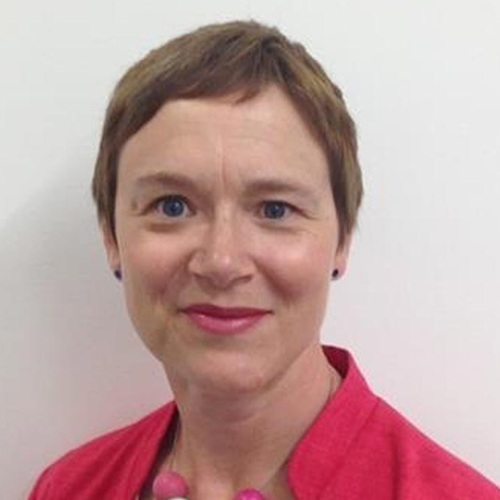
Lara Rafferty is the Associate Director, Student Equity, at RMIT University. She leads teams and programs to ensure people from all backgrounds and identities, especially people from under-represented groups, can access education at RMIT and that they stay and succeed. She has led organisation-wide strategy and initiatives towards inclusion and equity for students and staff for many years in various universities and TAFEs, and has also held Board roles on family violence and community advocacy organisations.
Dr Helen McLean

Dr Helen McLean is the Associate Director Learning & Teaching in the Centre for Education, Innovation and Quality, RMIT University. She has over 20 years of leadership and experience in leading teams to support HE academics in improving the student experience in curriculum design, program quality and professional capability development through projects for curriculum development and L&T improvement. More recently her leadership has been focusing on curriculum and educator capability development in areas including authentic assessment, inclusive learning and industry-partnered learning.
Abstract - ‘Inclusive by Design’
This presentation outlines RMIT University’s whole of institution approach to embedding inclusive learning and teaching, guided by the Universal Design for Learning (UDL) Guidelines 3.0. In response to growing student diversity, evolving regulatory expectations, and institutional commitments to equity, RMIT has developed a cohesive framework that integrates data insights, organisational values, and national and international principles to build a compelling case for system level change—offering lessons relevant across the tertiary sector.
The presentation will describe how RMIT has approached planning and implementation by cultivating cross functional stakeholder networks, aligning governance and assurance systems, and creating a succinct “plan on a page” to focus and communicate the program of work. An accompanying impact and evaluation framework supports sequencing, priority setting, and ongoing refinement.
Key principles shaping the initiative include co design with students, educators, and professional staff; embedding inclusive practice within existing processes; and identifying early wins to build momentum. Priorities initiated in 2025 span four domains: leadership; culture and capability; education practice; and infrastructure, services and operations.
The session will also address challenges encountered so far and outline next steps for 2026 and beyond.
Finally, through provocations and open ended questions, attendees will be invited to reflect on their own contexts, share experiences, and explore implications for advancing inclusive practice within their institutions.
Through Multiple Perspectives: Interprofessional Collaboration for Enabling Inclusive Assessment Practices
Alyce Greenwood, Senior Educational Practice Specialist; Dr Anna Branford, Careers Educator; Teresa Dowding, Manager - Equitable Learning and Accessibility, RMIT University
Presentation: 30 minutes
Level: Beginner
2:40 - 3:10 pm (Presenter/s: In-person)
Room: 2035 Orange
This presentation will use provocations and open-ended Mentimeter questions to guide a facilitated exploration of inclusive assessments, prompting participants to connect with their own contexts. The facilitated discussion will draw on presenters’ interprofessional collaboration in co-designing and delivering institution-wide workshops on inclusive assessment strategies at a dual sector institution.
Alyce Greenwood

Alyce Greenwood is a Senior Education Practice Specialist in RMIT’s Centre for Education, Innovation and Quality. With more than a decade of experience in higher education, she is deeply passionate about enhancing learning and teaching practices in higher education. She has used universal design for learning across a range of contexts to guide inclusive teaching practices. She is recognised as a Fellow by Advance HE and holds a Bachelor of Teaching (Secondary), a Bachelor of Arts, a Master of Information Management, a Graduate Certificate of Higher Education (Learning and Teaching) and a Master of Education (Leadership and Learning).
Dr Anna Branford

Dr Anna Branford is a Careers Educator at the Centre for Education, Innovation & Quality at RMIT University with a doctorate in Sociology. She is an internationally published children's author whose books include the Violet Mackerel series, and whose research has been published in journals including The Australian Journal of Anthropology; the Journal of Teaching and Learning for Graduate Employability; the International Journal of Work Integrated Learning; and The Yonsei Journal of International Studies. She has also published opinion pieces in fora including the Times Higher Education and The New Philosopher, and with colleagues has received a Citation for Outstanding Contributions to Student Learning, Australian Awards for University Teaching.
Teresa Dowding

Teresa Dowding is the Manager of the Equitable Learning and Accessibility team RMIT Australia. She is a strong advocate for UDL approaches, not least because they reduce the “othering” that can occur with specialised services for people with disabilities. Teresa has worked in the disability sector for over 30 years, managing a variety of teams in case management or social inclusion services in the not-for-profit sector, and is keen to apply a universal design lens to the tertiary sector. She holds a Graduate Certificate in Disability Studies and is passionate about the transformative power education can have for equity cohorts.
Abstract - Through Multiple Perspectives
This interactive presentation will use provocations and open-ended Mentimeter questions to guide a facilitated exploration of inclusive assessment practices. It is designed to foster meaningful engagement and provide an inclusive experience for both in-person and online participants, while prompting participants to connect with their own contexts and practices and inviting a diversity of perspectives.
The facilitated discussion will draw from the presenters’ interprofessional collaboration in co-designing and delivering institutional-wide workshops on inclusive assessment strategies at a dual sector institution. Presenters’ interprofessional expertise spans across educational practice, equitable learning and careers education. These different professional perspectives provide a unique co-design opportunity that has supported the practical translation of universal design for learning (UDL) approaches into assessment design strategies for workshops across the institution.
Workshop content is aligned to UDL and strategically models multiple means of engagement, representation, action and expression for participants. It includes worked examples of removing assessment barriers, and guidance on adopting an experimental Inclusive Thinking Cycle for assessment redesign. Further, content provides practical approaches to strengthening regulatory, legal and industry assurance for creating equivalent opportunities for all students. As well as the exploration and development of skills in self-advocacy, a significant skill for navigation of the learning journey and throughout a career.
We welcome participants at every stage of their UDL journey, from those new to UDL through to experienced experts. Through multiple perspectives and interprofessional collaboration, we will explore ways to advance inclusive assessment practices. Given the significant role assessment plays in both student and educator experiences, this facilitated discussion is designed to support the sharing of practical strategies for removing curriculum barriers in assessment design.
Unlocking the Equity Potential of AI through Open Education
Sue Sharpe, Lecturer, AI and Inclusive Education, Dr Lauren Halcomb-Smith, Lecturer - Open Education; Astrid Bovell, Copyright Manager - Library Services, Deakin University
Presentation: 30 minutes
Level: Beginner
3:20 - 3:50 pm (Presenter/s: In-person)
Room: 2035 Orange
This presentation uses a scenario-based approach to demonstrate how students are using generative AI for access and equity, and how copyright can limit these affordances. It demonstrates how open educational resources and open access materials can resolve these issues and enable inclusive, flexible learning.
Sue Sharpe

Sue Sharpe is the Lecturer of Artificial Intelligence and Inclusive Education at Deakin University, where she leads academic development initiatives with a strong equity focus. Her work addresses emerging challenges in higher education, including assessment reform and the integration and education of generative AI. Sue’s pragmatic approach is grounded in over 15 years’ experience in higher education across professional, academic, management and program director roles. Her leadership in curriculum renewal and academic capability-building has driven improvements in student retention and engagement.
Dr Lauren Halcomb-Smith

Dr Lauren Halcomb-Smith is a library professional and third space academic with a PhD in Educational Studies and experience across teaching, research, learning design and leadership in higher education. As Lecturer, Open Education at Deakin, Lauren leads research and academic capability building in Open Educational Resources (OER) and OER enabled practices. Working across traditional boundaries as a library based academic, Lauren supports Open Education through practical initiatives and strategic impact. Her work is strongly values based, grounded in the belief that education is a public good and access to learning materials should never be a barrier to student success.
Astrid Bovell

Astrid Bovell is the Copyright Manager at Deakin University, where she leads a small, engaged team dedicated to helping staff and students navigate copyright. Astrid has worked in copyright since 2003 and enjoys working in universities, where her role gives her regular opportunities to grapple with emerging technologies and unravel complex copyright challenges across a range of materials and uses. Astrid is passionate about demystifying copyright and supporting the university community to make informed, ethical decisions. She values practical guidance and is interested in how copyright intersects with issues of access and innovation in higher education.
Abstract - Unlocking the Equity Potential of AI through Open Education
Generative AI (GenAI) tools have changed the landscape of equity in higher education, functioning increasingly as assistive technology or equity tools for many students. Students can use their preferred GenAI tool to create alternative formats of learning materials, translate or explain texts, support task planning and initiation, and more. Without absolving institutions of their responsibilities, these applications may offer students greater agency, independence and flexibility to navigate barriers and meet access needs. Yet copyright restrictions on course resources can limit the equity affordances of GenAI, putting institutions, staff, and students at legal and ethical risk. We explore these tensions and consider how open resources offer an alternative pathway to equitable learning.
Our presentation is the outcome of a cross-disciplinary collaboration between an inclusive education academic with an AI focus, a university copyright manager, and an open education academic. We use a storytelling approach to explore the experiences of a fictionalised undergraduate educator and four students navigating their unit. Throughout the session, we use a simple visual metaphor to argue: GenAI tools offer real equity affordances, but copyright restrictions present a barrier to accessing them, and prioritising open resources at the design stage can unlock these barriers and contribute to more inclusive and flexible learning environments.
Our presentation is conceptual and design-focused. It addresses the symposium theme of ‘GenAI and Assistive Technology as enablers of inclusion’ by showing how GenAI can enhance inclusion when supported by intentional design. It supports UDL 3.0 in content and format, emphasising learner agency and the reduction of systemic barriers. Participants will leave with an increased understanding of how GenAI could support equity, recognise related copyright risk, and identify strategies for prioritising open resources.
Friday - Stream D
Beyond the LMS: Aura Farming for Belonging and Agency
Dr Dmitry Zavialov, Learning Designer, Skills Institute
Presentation: 30 minutes
Level: Beginner
11:00 - 11:30 am (Presenter/s: In-person)
Room: 2038 Green
This presentation argues learning design must extend beyond curriculum and the learning management system by intentionally designing peer connection. Leveraging Aristotle, Habermas and heutagogy, it offers a practical blueprint for building belonging, agency and employability through structured social learning and aura farming micro-practices, illustrated with an implementation at Skills Institute.
Dr Dmitry Zavialov

Dr Dmitry Zavialov is a Learning Designer at Skills Institute in Auckland, New Zealand. Originally from Tajikistan, he holds a PhD in Politics from the University of Otago (New Zealand), an MA in Human Rights and Multi-Level Governance from the University of Padua (Italy), and a Specialist degree in International Relations from Lomonosov Moscow State University. He has extensive experience in university teaching, curriculum design, and academic research, and is the author of Whataboutism in International Politics (Palgrave Macmillan, 2025). Dmitry is also the founder of Walk and Talk, an Auckland community initiative fostering wellbeing through authentic human conversation.
Abstract - Beyond the LMS
Learning design in higher education and vocational education and training often concentrates on curriculum, assessment and the learning management system. Yet many learners, including international students, experience a loneliness gap that undermines engagement, wellbeing and participation. Drawing on Aristotle’s view that learning occurs through social life in the polis and habituation, and Habermas’s claim that good reasoning depends on fair, supportive dialogue conditions, this presentation makes the case for Universal Design for Learning (UDL) beyond the classroom: designing intentional peer connection as part of learning.
At Skills Institute (Aotearoa New Zealand), we pair a heutagogical progression (from structured foundations to growing autonomy and independent practice) with Skills Connect, a voluntary, non-credit programme of seven fortnightly activities across a 14-week semester for business, digital technology and culinary learners. The model uses Buddy Trios for continuity, cross-programme mixing, and Walk and Talk networking: a guided route with timed pair rotations and prompts that lower barriers to conversation. Activities rehearse employability behaviours (respectful communication, teamwork, follow-through) while remaining culturally inclusive and enjoyable. In these peer interactions, we also observe “aura farming” in action: micro-practices that cultivate authentic presence, empathy, ethical judgement, resilience and courageous leadership alongside technical learning.
Aligned with UDL Guidelines 3.0, the design nurtures joy and play, fosters collaboration and community, and addresses biases, threats and distractions through clear norms, low-stakes participation options, and multiple ways to communicate (movement, speech, chat, artefacts). Impact is monitored through attendance and repeat attendance, pulse surveys on belonging and confidence, and facilitator observations, feeding into a continuous improvement cycle.
By the end of this presentation, participants will leave with a ready-to-use blueprint and practical resources to adapt the approach for their own context.
Intentional Redesign of an Undergraduate Chemistry Laboratory Program
Dr Susan Hemsley, Educational Designer, University of Sydney
Presentation: 30 minutes
Level: Intermediate
11:40 - 12:10 pm (Presenter/s: In-person)
Room: 2038 Green
This presentation describes redesign of the assessments and learning management system site of a university undergraduate chemistry laboratory program. This was done intentionally with reference to the UDL Guidelines 3.0 to enhance engagement, support executive functioning and improve accessibility within the context of a School-wide strategy of ‘embracing UDL’. Co-authored by Dr Pierre Naeyaert, Lecturer & Director - Second & Third Year Chemistry Laboratories, University of Sydney.
Dr Susan Hemsley
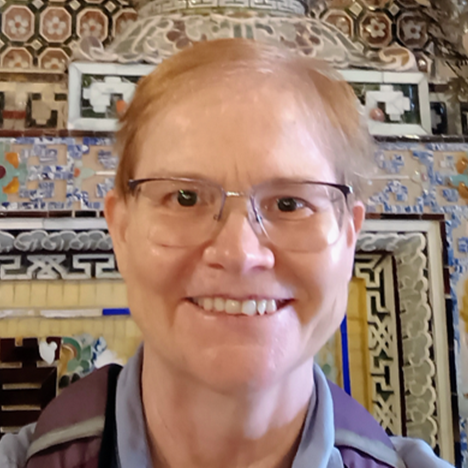
Dr Sue Hemsley is an Educational Designer in the School of Chemistry at the University of Sydney. She reached this destination via undergraduate and postgraduate degrees in Veterinary Science, then academia, followed by a sideways move into an educational support/design role with the Centre for Veterinary Education, all at the University of Sydney. She commenced her current role in 2022. Sue has a particular interest in UDL and is leading the School of Chemistry’s efforts to realise its strategic goal of ‘Embracing Universal Design for Learning’ by collaboratively embedding UDL principles to support inclusive, accessible education across the School.
Abstract - Intentional Redesign of an Undergraduate Chemistry Laboratory Program
This captioned PowerPoint presentation showcases redesign of a University of Sydney chemistry undergraduate laboratory program undertaken by students in three 3rd year units. Students work through a series of guided laboratory tasks then design, complete and report on their own experiment. Multiple small stakes assessments lead into two larger assessments.
Issues identified previously were a condensed structure, rushed assignments, delayed feedback and a confusing LMS (Canvas) site. In response, the program and LMS site were intentionally redesigned with reference to the UDL Guidelines 3.0.
We aim to showcase positive changes that are transferable to other contexts. We acknowledge that this comprehensive redesign took a large collaborative effort but emphasise that just one aspect of one change could be applied in a ‘Plus 1’ approach.
Assessment redesign
Changes include:
- Much of the assessment being completed in the laboratory, where staff are available for immediate support and feedback (consideration 8.2)
- Timely feedback on assessment tasks with an emphasis on formative learning (consideration 8.5)
- Clear, multi-format communication about goals, expectations, logistics and relevance of tasks (considerations 1.2 and 7.2).
- A scaffolded build up to students designing, managing and presenting their own experimental work (considerations 6.2 and 6.4).
Canvas redesign
Changes include:
- Attention to accessibility (consideration 4.2).
E.g., using Canvas accessibility checker, chunking blocks of text, clear delineation of buttons and tables, using clear language
Video content captioned and a transcript provided (consideration 1.2).- Improved site structure and navigation (considerations 4.1 and 7.4).
More intuitive movement through the site
Site navigation video provided
Multiple possible ways of navigating the content
Canvas Sections utilised so individual students see only content relevant to themImpact
We will be gathering survey and Canvas usage data prior to the symposium to measure impact.
Making Practical Learning Visible: Using Observodon as a UDL-Aligned Tool for Video-Based Assessment and Feedback
Michael Grawe, Professional Learning Manager, The Tarn Group
Presentation: 30 minutes
Level: Beginner
2:00 - 2:30 pm (Presenter/s: In-person)
Room: 2038 Green
This presentation introduces Observodon, a UDL-aligned tool for video-based assessment and feedback in HE and VET. See how video evidence and time-stamped feedback can reduce barriers, improve clarity, and support more inclusive, authentic assessment in practice-based learning contexts – all within your Learning Management System (LMS).
Michael Grawe
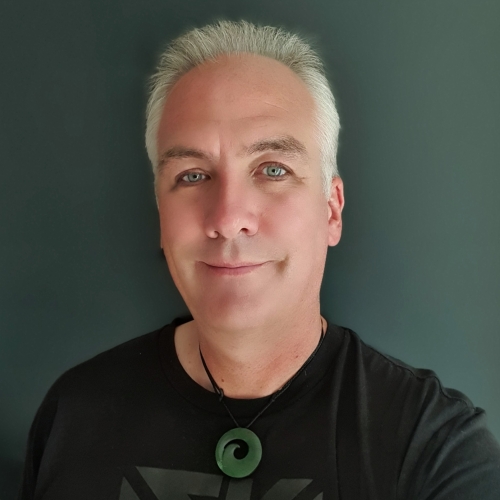
Michael Grawe is an educator and Professional Learning Manager with Pathways Awarua, specialising in adult literacy and numeracy across Aotearoa New Zealand. He works at the intersection of Universal Design for Learning (UDL) and digital innovation, developing tools that support more inclusive learning and reduce cognitive load. He contributes to Observodon, an interactive video platform supporting reflective, feedback-rich practice within Learning Management Systems (LMSs), and co-directs ExplainIT NZ, creators of DysCalculator, a calculator app designed for learners with dyscalculia and maths anxiety. Michael brings over 25 years’ experience in education and learner development to this work. Michael Grawe LinkedIn page
Abstract - Making Practical Learning Visible
In higher education (HE) and vocational education and training (VET), assessing practical competence remains challenging, particularly for diverse learners studying online, on placement, or across multiple sites. Text-based assessment and feedback often fail to capture authentic performance and can introduce avoidable barriers to clarity, engagement, and progression.
At the 2025 ADCET UDL Symposium, the sector signalled strong interest in authentic assessment and inclusive digital practice. This presentation extends that conversation by demonstrating how video-based evidence and feedback, integrated within the Learning Management System, can operationalise Universal Design for Learning (UDL) 3.0 in practical and scalable ways across HE and VET.
Observodon is a video observation, annotation, and feedback tool that integrates directly within existing Learning Management Systems. Framed explicitly through UDL 3.0, the approach supports multiple means of representation (visual and spoken feedback), action and expression (demonstrating competence through authentic performance rather than text alone), and engagement (iterative, self-paced improvement supported by concrete visual evidence). By reducing reliance on written explanation alone, this design expands access to assessment and feedback for learners with diverse literacy, language, or learning needs.
Drawing on implementation across trades, clinical skills, and teacher education contexts, we illustrate how video-based evidence and time-stamped feedback increase transparency of expectations, reduce ambiguity in assessment decisions, and support more consistent moderation across educators and sites. From an Aotearoa New Zealand perspective, this aligns with mana ōrite (equity and fairness) by making standards and feedback more visible, usable, and culturally responsive.
The session has two clear goals: (1) to demonstrate how video-based assessment can be intentionally designed in alignment with UDL 3.0 principles in HE and VET, and (2) to provide participants with a practical workflow they can adapt within their own programmes. The presentation will primarily focus on illustrating design principles and implementation examples.
Co‑Designing UDL‑Aligned Summative Assessment for Care Sector Training: A Case Study with CALD Adult Learners
Dr Hang Ngo, ACE Team Leader; Salam Alwani, Project Officer; Mak Sun, ANMEC Agency Partner Co-Designer, Community Access and Services SA
Presentation: 30 minutes
Level: Beginner
2:40 - 3:10 pm (Presenter/s: In-person)
Room: 2038 Green
This presentation shares findings from a co‑design survey of 46 Vietnamese‑Australian community members, pre‑learners, and experienced care workers, and makes the case for redesigning summative assessment in the Entry into Care Role Skill Set using UDL 3.0 principles and AI‑assisted multilingual design.
Dr Hang Ngo
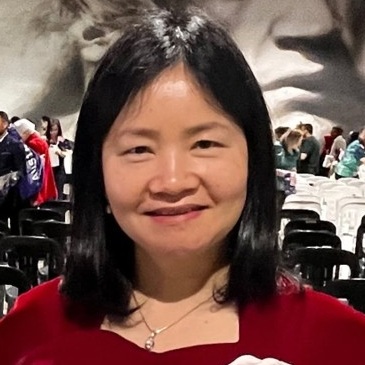
Hang NGO is an innovative educator and researcher at the intersection of cultural education, language pedagogy, and educational technology. With over 15 years of experience spanning secondary schools, universities, and community education across Vietnam and Australia, she brings a unique cross-cultural perspective to educational innovation. Hang is currently serving at multiple organisations, including being an Affiliate Researcher at Thang Long University, ACE Team Leader at CAaSSA, and a teacher at Mount Carmel College. Hang bridges cultural divides while advancing educational innovation. She is currently interested in developing AI-enhanced teaching methodologies that, grounded in the Universal Design for Learning (UDL) framework, support culturally responsive education and create inclusive learning environments where every learner can engage with, access, and demonstrate their knowledge in multiple ways.
Salam Alwani
Salam Alwani is the Project Coordinator at CAASSA in Adelaide, where she works closely with culturally and linguistically diverse communities to support education, settlement, and community participation. She also works as an AMEP lecturer at TAFE SA. Salam completed her Graduate Diploma in TESOL in 2024. As a mum of four and someone with lived refugee experience herself, she is passionate about supporting multicultural communities through education, connection, and community work. She also serves as the Vice President of Syrian Families in South Australia Inc., advocating for stronger support and opportunities for migrant and refugee families.
Mak Sun
Chanmakara (Mak) Sun is an Educator at the Australian Nursing and Midwifery Education Centre (ANMEC) teaching Certificate III Individual Support (Ageing and Disability). He is a Registered Nurse and a Co-founder/CEO of a Not-for-profit organisation, Malex Care Inc. He has worked as a Clinical Nurse at a large metropolitan hospital in the Geriatric Evaluation and Management unit where he coordinates patient flow from Emergency Department, Short Stay Medical Unit and other units by reviewing and admitting into the program. Prior to working at the hospital, he worked at a Residential Care Facility as a Personal Carer as well as working in a leadership role as a Clinical Nurse.
Abstract - Co‑Designing UDL‑Aligned Summative Assessment for Care Sector Training
This presentation shares insights analysis from the survey with 46 Vietnamese‑Australian community members, pre‑learners, and experienced care workers about what matters in care. Overall, their answers converged: cultural values like filial piety and respect for elders are not obstacles to professional practice, they are its foundation. Nine out of ten workers identified their cultural background as an asset to care delivery. Yet current training and assessment in the Entry into Care Role Skill Set does not recognise these strengths, and seven out of ten workers described boundary challenges no existing curriculum prepares them for.
The findings emerged from a co‑design process within a project led by a multicultural Adult Community Education provider, with RTO partner and aged care/NDIS employers. Surveying across three groups of Vietnamese Australian (general community members, experienced support workers, and foundation learners ready to enrol into a skill set in health care training), we documented how literacy demands in standard summative assessment function as barriers unrelated to workplace competence (Black & Yasukawa, 2014), while culturally responsive pedagogy calls for assessment that builds on learner strengths rather than treating difference as deficit (Gay, 2018).
The data point toward a clear need: summative assessment for accredited care skill sets must be redesigned using UDL 3.0 principles, so CALD learners can demonstrate competency through situated practice rather than decontextualised writing (Boud & Falchikov, 2006). This means co‑designing observation rubrics, video evidence, and scenario‑based assessments with community, RTO, and industry input. In this project, we use AI‑assisted development of multilingual resources to legitimise bilingual care, building assessment around what workers actually do at work, not what they can write in English.
This presentation proposes a co‑design framework for inclusive assessment. Attendees will leave with strategies for redesigning assessment that unlocks the capability of learners currently assessed out rather than educated in.
References:
Black, S. & Yasukawa, K. (2014). The literacy myth continues: adapting Graff’s thesis to contemporary policy discourses on adult ‘foundation skills’ in Australia. Critical Studies in Education, 55(2), 213–228.
Boud, D. & Falchikov, N. (2006). Aligning assessment with long‑term learning. Assessment & Evaluation in Higher Education, 31(4), 399–413.
CAST (2024). Universal Design for Learning Guidelines version 3.0.
Gay, G. (2018). Culturally Responsive Teaching: Theory, Research, and Practice (3rd ed.). Teachers College Press.
Improving Supervision for Neurodivergent Graduate Researchers: A UDL and Participatory-Research Approach to the HDR Context
Lyndel Kennedy, Researcher, La Trobe University
Presentation: 30 minutes
Level: Beginner
3:20 - 3:50 pm (Presenter/s: In-person)
Room: 2038 Green
This presentation will share how UDL and participatory-research principles are guiding the co-design and development of an institution-wide neurodiversity-affirming training package to better support neurodivergent graduate researchers. Drawing on survey and focus groups with neurodivergent students and supervisors, findings highlight requirements to foster supervision relationships grounded in curiosity, clarity and flexibility.
Lyndel Kennedy
Lyndel Kennedy is a neurodivergent researcher who has recently completed her PhD in psychology at the Olga Tennison Autism Research Centre (OTARC), La Trobe University, examining factors contributing to success in higher education for neurodivergent students. She now leads a project to co‑design, develop, and evaluate a training package for graduate-research supervisors in neurodiversity‑affirming supervision practices, funded by the Australian Centre for Student Equity and Success and OTARC. Lyndel has facilitated support groups for students with disability and/or neurodivergence at La Trobe University since 2020, and for Autism Valued since 2008.
Abstract - Improving Supervision for Neurodivergent Graduate Researchers
While undergraduate enrolments by neurodivergent students are increasing, prevalence rates for neurodivergent graduate researchers (GRs) are currently unknown, and many do not seek support. Supervisors are the single most important point of contact for GRs, and this relationship is vital for students’ success. Neurodivergent strengths in passion, innovative thinking and hyperfocus means many GRs may be neurodivergent, yet their needs remain largely unexamined.
The Improving Supervision for Neurodivergent Graduate Researchers project is developing a training package for higher-degree-by-research (HDR) supervisors in neurodiversity-affirming practices, funded by the Australian Centre for Student Equity and Success (Curtin University) and the Olga Tennison Autism Research Centre (La Trobe University). The four-stage project is co-designing, developing, delivering and evaluating a training package via a randomised-controlled-trial. The project is led by a neurodivergent GR, supported by neurodivergent research assistants and a team of neurodiverse researchers and educators.
This presentation focuses on the co-design stage, which included a literature and resources review, a mixed-methods survey, and focus groups with neurodivergent GRs and supervisors at La Trobe University. This stage has highlighted the importance of centering neurodivergent researchers authentic identities and ways of learning and working. Both students and supervisors have shared experiences of bias, masking, and shame, but also times of deep engagement and joy when supervisors have approached relationships with curiosity and flexibility and clarified organisational processes and expectations by making the implicit explicit. The heterogeneity in supervision contexts, practices and neurodiversity knowledge across our university has emphasised the need for training to expand emotional capacity (UDL 3.0 Guideline 9) and executive-functioning strategies (Guideline 6) so supervisors can better support their students.
Our presentation will include a brief reflection section. We will share how we’re applying UDL and participatory-research principles to the HDR context by co-designing and developing an institution-wide training package to improve supervision for neurodivergent students.
Our Valued Symposium Sponsors

The UDL Symposium 2026 is brought to you by ADCET
In partnership with


ADCET is funded by the Australian Government Department of Education