
Changes to DSF governance rules: how one university is preparing
The Federal government is changing the governance rules that apply to universities that receive Disability Support Fund (DSF) funding.
These changes will begin from 1 January 2027, and the government says they will “align the sector to establish a strategic national approach to higher education disability inclusion and support”.
As part of these changes, to remain eligible for DSF funding universities must establish:
- A disability governance committee housed as a subcommittee of the university’s principal governing body
- Disability education and workforce strategies including activities and KPIs to improve disability support and inclusion
- The removal of indexation of the high-cost claims threshold.
Victoria University forges ahead
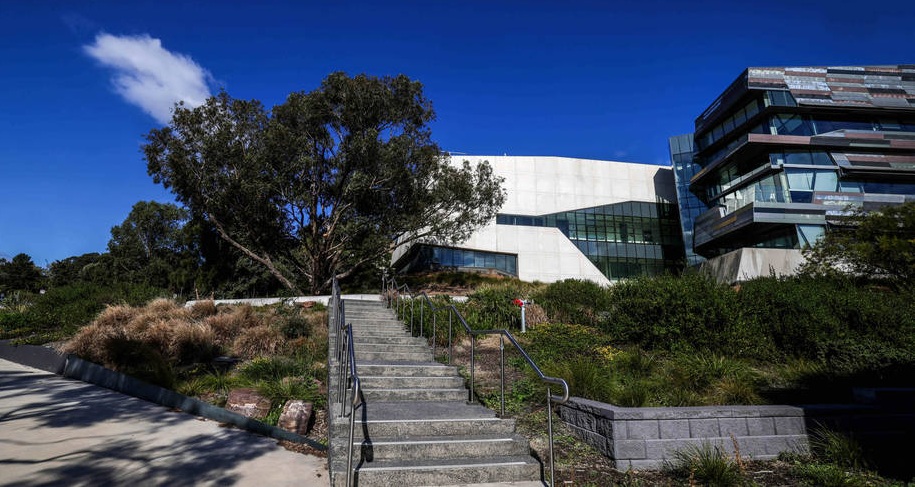
At Victoria University, staff have been working hard to fulfil the first of these requirements: the establishment of a disability governance committee. The committee will be established on 1 January 2027 with the first meeting scheduled in February 2027.
It will meet at least three times a year and develop an annual work plan to cover a variety of disability-related issues, including:
- Overseeing the use of DSF grants and the University’s annual performance and acquittal reporting;
- Monitoring the implementation of the university’s Disability Action Plan;
- Overseeing the development, implementation and review of disability education, research and workforce inclusion strategies;
- Monitoring performance and supporting corrective action where required,
It will undergo an independent review at least every five years.
The committee is a formally constituted committee of VU Council and will comprise 10 members. Membership has been carefully designed not just to meet the Federal government’s guidelines, but also to bring a mix of lived experience, university knowledge, governance skills and external perspectives that will complement each other and strengthen the committee. It will include members from the university’s senior leadership, academic and professional staff, as well as the university council, at least two students with disability, an academic staff member and at least two independent external members – and a majority of the members must be people with disability.
Student members will receive an annual payment of $5,000, as well as reimbursement for expenses incurred as part of their role in accordance with University Council policies.
Sofia Moisidis, Director of Governance and Secretariat at Victoria University, said people with disability have been included from the outset as the university seeks to make sure the new committee is inclusive and representative.
“People with disability are part of the Committee’s decision-making structure, not simply a consultation group,” she said.
“Students and staff with disability were invited to apply through an accessible EOI process, and representatives from the relevant disability communities were directly involved in reviewing applications and recommending shortlists. Once appointed, all members have the same standing in the Committee’s deliberations and will help shape its advice, priorities and oversight.”
Creating a committee from scratch

The process of creating it has been led by the Director and Senior Manager of Student Equity and Advocacy, and the Director and Manager and Officers of Governance and Secretariat, Sofia added, with other senior leaders and governance committees involved when and where relevant. Staff from other teams will also be brought on board as the committee’s work begins.
Staff from the Student Equity and Wellbeing, Governance and Secretariat teams, and the Vice Chancellor’s office, attended information sessions run by the Federal government to find out what would be needed. Once the requirements were understood, VU staff began developing terms of reference and designing recruitment.
Sofia said accessibility is being built into the committee’s design and implementation, with the university opting for a staged approach to its operation. She said the process of designing the committee highlighted to staff that accessibility needs can vary from person to person, so the staged approach will help it meet those needs as members come on board and the committee begins operation. She said VU has focused on establishing accessible arrangements, processes and documentation that it can refine over time.
“VU drew heavily on the expertise of its own staff and students. We also considered where specialist external accessibility support might be useful, particularly for accessible document formats and adjustments tailored to individual members,” she said.
While the creation of the committee has been a lengthy process, Sofia said it had rendered important lessons for university leadership.
“One lesson is to begin early and treat accessibility as a core governance requirement rather than something added after the committee is established,” she explained.
“It is also important to involve people with disability in the selection and decision-making processes, clarify responsibilities early and recognise the practical resourcing required for accessible participation.”
But Sofia said there are things that could have made the process go more smoothly, like more opportunities for discussion between governance teams across the sector with Government prior to the legislation being introduced.
Nevertheless, she said universities will collaborate as they establish their own committees going forward.
“We see value in universities sharing practical resources and lessons as this new governance requirement is implemented,” Sofia said.
Written by: Danielle Kutchel
(October 2026)