A new way of affirming neuroinclusive education
Will Wheeler is honest and up front about the challenges he’s faced over his education journey.
“I failed school,” he told ADCET.
“I got the lowest grade you could possibly get.”
The founder and entrepreneur, who has dyslexia and ADHD, shares this fact as proof that neurodivergence doesn’t have to be a barrier to obtaining higher education – and that by removing the often unseen challenges in universities, TAFEs and colleges, neurodivergent students can flourish.
Will said when he was in school, the belief was “if you don’t do well in school, you’ll never be able to get a good job”.
“I didn’t believe in myself because I was constantly failing, I was always in trouble with my parents,” he said.
His neurodivergence was undiagnosed at the time, and Will said when he found out he had failed, he felt he had proven the low expectations of his teachers right.
After school he said he “lost the plot”, developing drug and alcohol problems and “going off track”. Depression began to set in.
But after joining the workforce in the tertiary sector, he learned how to work to his strengths. He decided to sign up to TAFE as a student, but quickly realised that the learning environment he was in did not understand his way of learning.
“When I would speak up about being dyslexic or even ADHD, people just didn’t know what to do. They had no idea what to put in place. I noticed it was quite a big problem. And if we have a look at the dropout rates, I think it explains that there’s a big gap when it comes to neurodivergent students getting the correct support,” he said.
The experience inspired him to found the Neurodiversity Academy  with his friend Pratik Bhumkar.
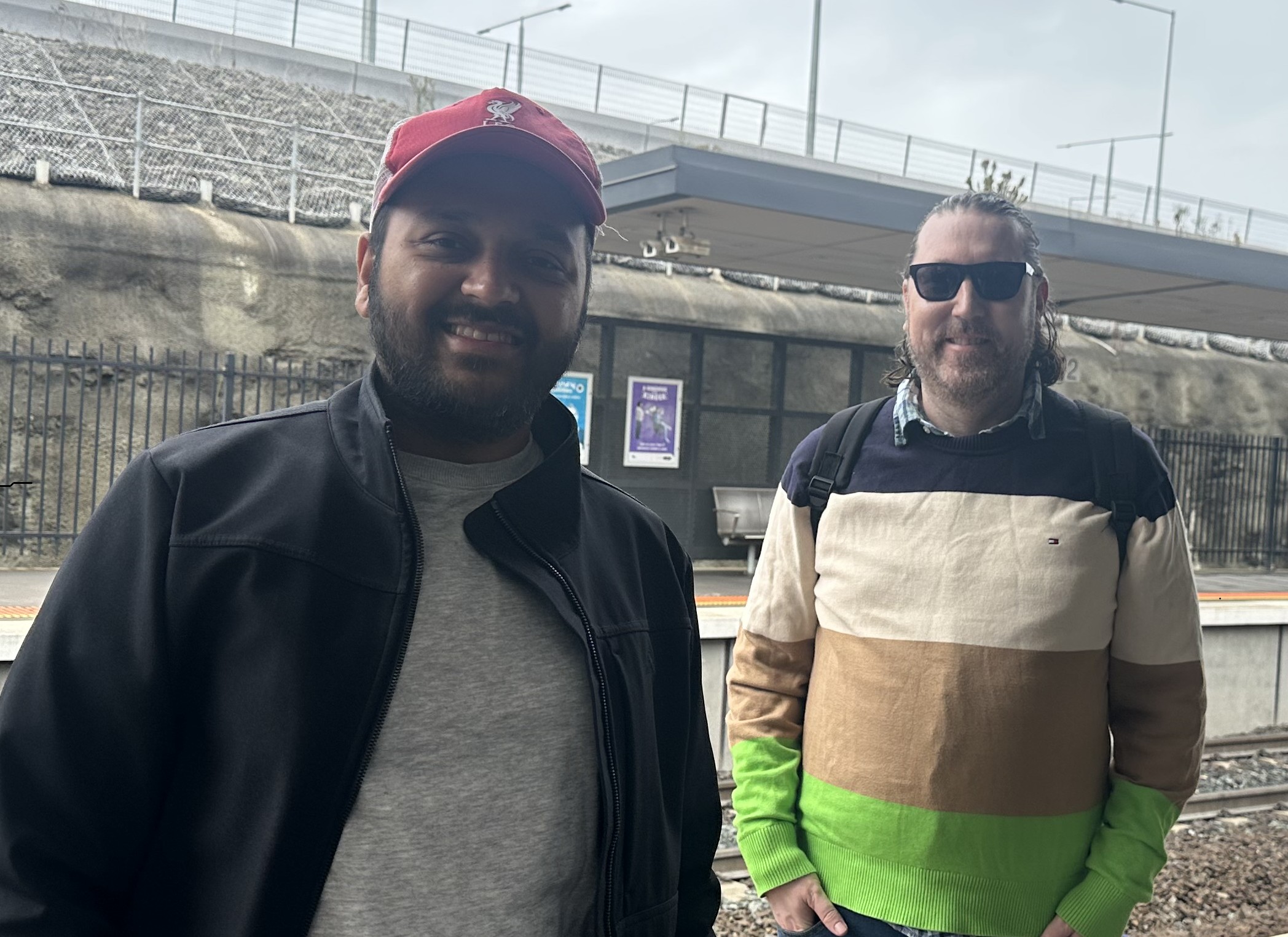
The Academy aim to bridge the gap between neurodivergent students and the higher education organisations they study at. It has developed an endorsement and training system to equip teachers in higher education with skills to create more inclusive learning environments for neurodivergent students.
It also provides a directory of inclusive education providers and the supports they have in place for students, from quiet rooms to accessible websites.
“I can tell you right now, there’s a very high population of neurodivergent people who want to study and be supported,” Will said.
“The goal is to help more students identify these organisations doing good work, and refer those students to those learning organisations who are endorsed by us.”
He said this will help students make informed decisions, and allow education organisations to see the gaps in their inclusive practices and find ways to improve them.
The Academy currently has four neuroinclusive-endorsed organisations on its books. The endorsement process sees the organisations assessed across different areas, like staff training in neuroinclusion, accessibility tools on site, and the accessibility of the website and digital tools.
An institution doesn’t have to have everything, Will added; but it must have an inclusive culture, and an attitude and drive to want to change for the better, driven by leadership that understands the importance of listening and improving things for students.
“Having that buy-in from top leadership is where we’re going to be able to work with them to create change,” he explained.
Once an organisation is endorsed, the Academy will work with students to find out whether they’re receiving the promised inclusive experience, and help organisations improve their practice if they aren’t with strategies and tips built on lived experience.
For Will, success will be measured by practical metrics.
“If we can see things like the dropout rate [for neurodivergent students] lowering, that could be a real positive. It we’re getting more organisations on board who want to actually be inclusive and not just say they’re inclusive, that will be a big sign for us,” he said.
“I’m not actually doing this for me at all. It’s not about me. It’s about the people I’m representing.”
He said students who were struggling in education should not be written off by educators.
“We should be starting to look at some of their strengths and who they are as a person [and telling them] there are actually different pathways you can take that are going to help you to be successful regardless.”
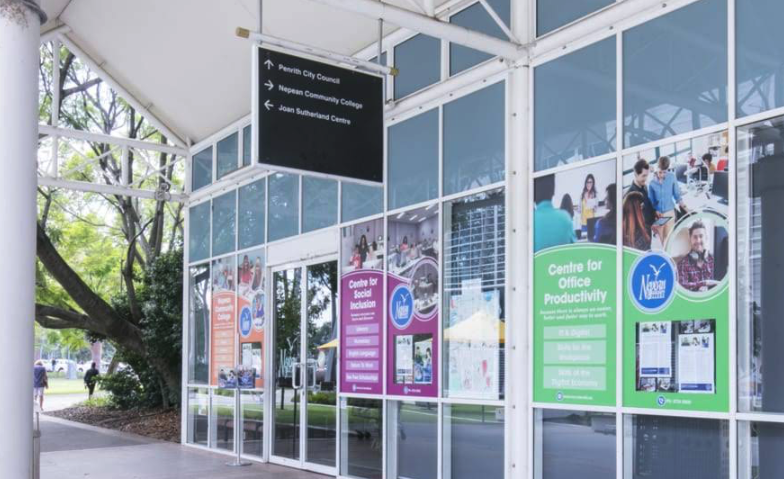
Nepean Community College in Penrith has recently been endorsed by the Neurodiversity Academy.
The College provides a range of vocational and foundational training options for students. Its Developing Skills for Education and Careers (DCEC) course, which provides students with workplace skills and pathways, is targeted at students from disadvantaged backgrounds and designed for those who need an alternative pathway.
Wesley Jones, CEO of the College, said there are often many neurodivergent students in the cohort.
Like Will, many of them have failed or been bullied out of school and are languishing with no other options to undertake further training or develop the skills they need to join the workforce. They’re looking for an inclusive education, but haven’t been able to find a place that caters to their needs.
RTO Training Manager Jade Leggatt said the course gives them a chance to finish their school education and prepares them to move on to other pathways in an accessible and supportive environment.
“All they needed was a different environment and a safe place where they can be themselves and have things that are flexible enough to work for them and their differences.”
Staff across the College have received Neurodiversity Academy training in neuroinclusive education, and have appointed a neuroinclusion champion to promote the concept around the College. There is also a designed neurodiversity support person in place.
Many staff have lived experience of neurodiversity too, so they understand what their students are going through.
There are also plans to use the course as a pilot that could potentially be rolled out to other education providers around NSW, to provide more opportunities for students to undertake further education – especially students who might otherwise fall through the cracks.
Jade said the College began by looking at what had previously not worked for its neurodivergent students, whether in other RTOs or in school, to avoid repeating the same mistakes.
She said she shared Will’s care for students and a desire to remove barriers to education, which is why she was keen to team up for an endorsement.
“I have always been very much a proponent of flexibility and being trauma-informed and making sure that we are recognising and assisting people who learn a bit differently,” she said.
“[The training] was actually quite validating, because we could see that we were doing the correct things, that we were coming from the right spaces and had the right processes in place. It was great to see that there is a place out there that is fighting for accessibility in education and making it a safe space for people with barriers.
“A lot of our staff and our trainers also have lived experience… so I think that really helped us in building up our processes, our practices, and making sure we’re doing the right thing because we have people on board that know what it’s like.”
Jade believes Nepean’s experience of becoming a more accessible education provider holds lessons for others in the RTO, TAFE and university space.
She said it’s important for higher education providers keen to become more inclusive to start with communication.
“You have to actually understand who your cohort is and what their needs are. Otherwise, whatever you put in place may not actually benefit anyone… don’t just assume that you know what’s best for the students.”
And she said change, especially creating a culture of inclusion, can take time – so it might be best to start with a small group of pioneers who can share their work with others in the organisation to let the idea grow naturally and cohesively.
“It’s little steps until you get to that wonderful, encompassing and safe environment.”
Written by: Danielle Kutchel
September 2026