ADCET Webinar: The Capacity Problem in University Disability Support - Research, Roadmaps & Resources (Vendor demonstration)
University disability support teams are navigating a system under strain. The neurodivergent student population is growing rapidly, expectations around personalised support are rising, and yet most disability departments are working with the same resourcing models, tools, and processes they have always had. The result is a widening gap, not because advisors aren't committed, but because the system was never designed for this scale or complexity.
This presentation, by Alex Kerr from Kumo Study  , was aimed at the people working inside that system. It shared findings from formal research trials conducted with universities across Australia and New Zealand, combined with extensive primary research into neurodivergent student experience, executive functioning, and what actually predicts academic success.
The challenge was framed through three interconnected barriers that disability teams will recognise immediately:
- Functional & Navigational Barriers: The day-to-day reality for neurodivergent students managing executive functioning demands, academic momentum disruption, and the cognitive cost of self-advocating within systems that were not built for them.
- Attitudinal Barriers: The compounding impact of misunderstanding from staff and peers, advocacy exhaustion, and the shame many students carry when accessing disability services, all of which land back on the advisor relationship.
- Structural & Systemic Barriers: Overstretched teams, limited visibility over cohort needs, inconsistent standards, and austerity conditions that make proactive, strength-based support at scale feel out of reach.
Kumo Study's response to each barrier was then introduced: tools that externalise executive functioning support so students are better equipped between appointments; a sensory profiling layer that enables more personalised, strength-based advisor conversations; and an Advisor Hub built to reduce administrative load, improve team continuity, and give disability departments the insight they need to resource plan effectively.
The goal is not to replace the advisor relationship… it is to protect it. To give disability teams the capacity to do the work they trained for, rather than being consumed by the demand they cannot keep up with.
Presenter
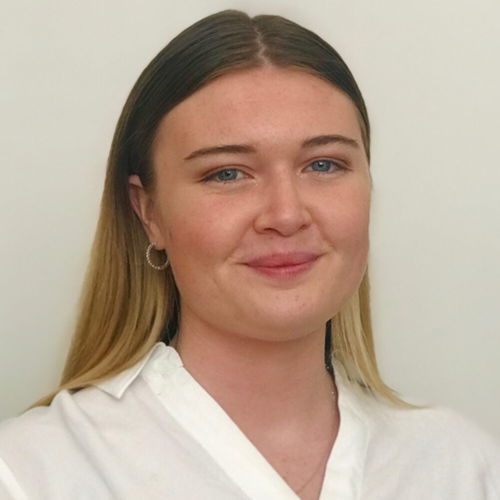
Alex Kerr is the founder of Kumo Study, a neurodivergent-focused education platform developed to better support executive functioning, accessibility, and academic success in higher education. Built on extensive research over the past few years into neurodivergence, learning design, and student support systems, what began as an effort to create more effective study support evolved into a broader mission to address systemic gaps in how institutions approach neurodivergent learning. Through platform development and collaboration with universities and disability stakeholders, Alex works across technology, accessibility, and institutional innovation to help shape the future of inclusive education.
Instagram: @__Kumostudy
(July 2026)
Attachments
- Presentation: The Capacity Problem in University Disability Support - Research, Roadmaps & Resources (doc)
- Presentation: The Capacity Problem in University Disability Support - Research, Roadmaps & Resources (pdf)
- The Capacity Problem in University Disability Support - Research, Roadmaps & Resources Transcript (doc)